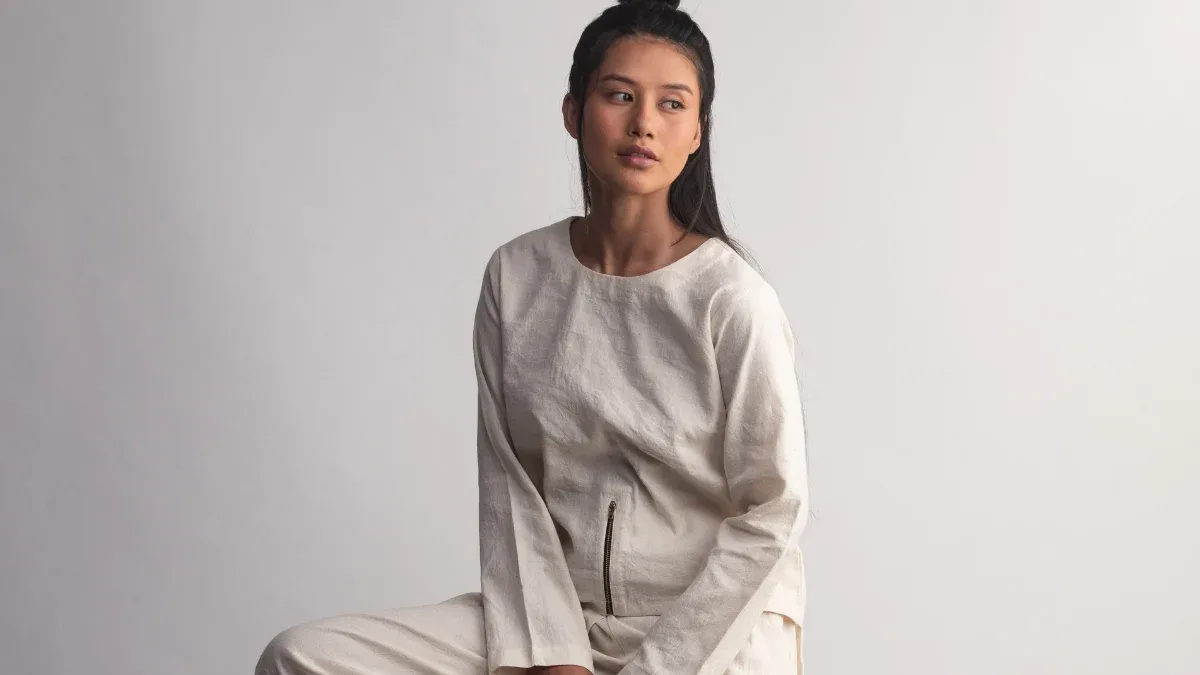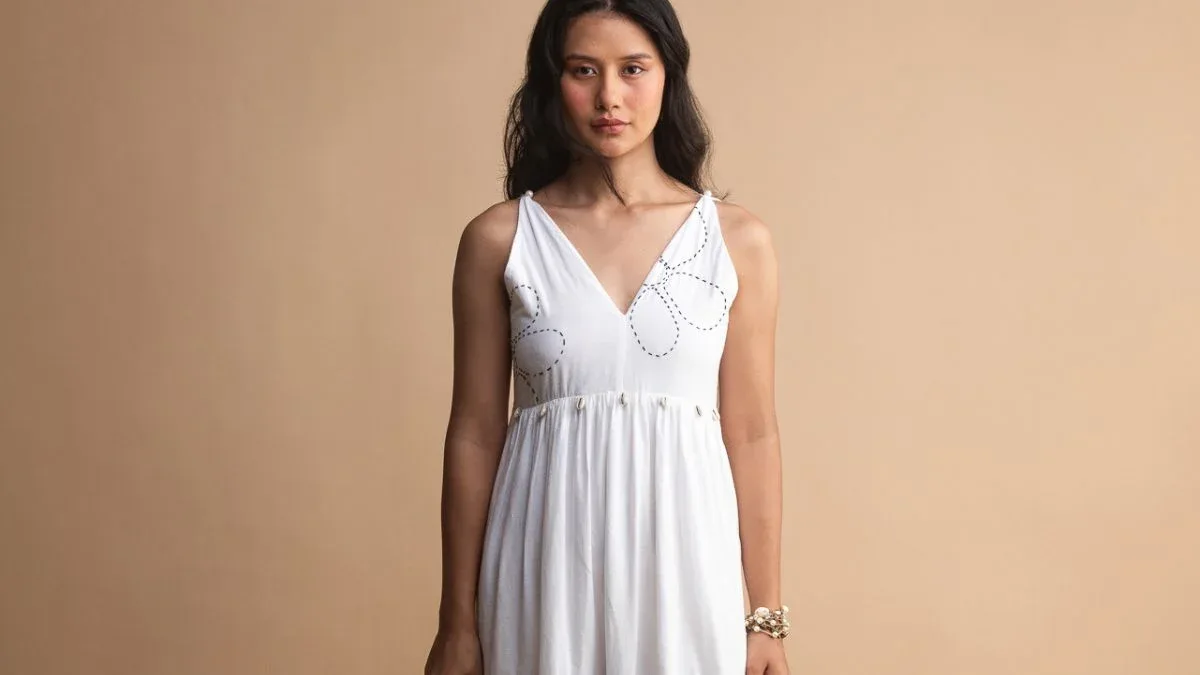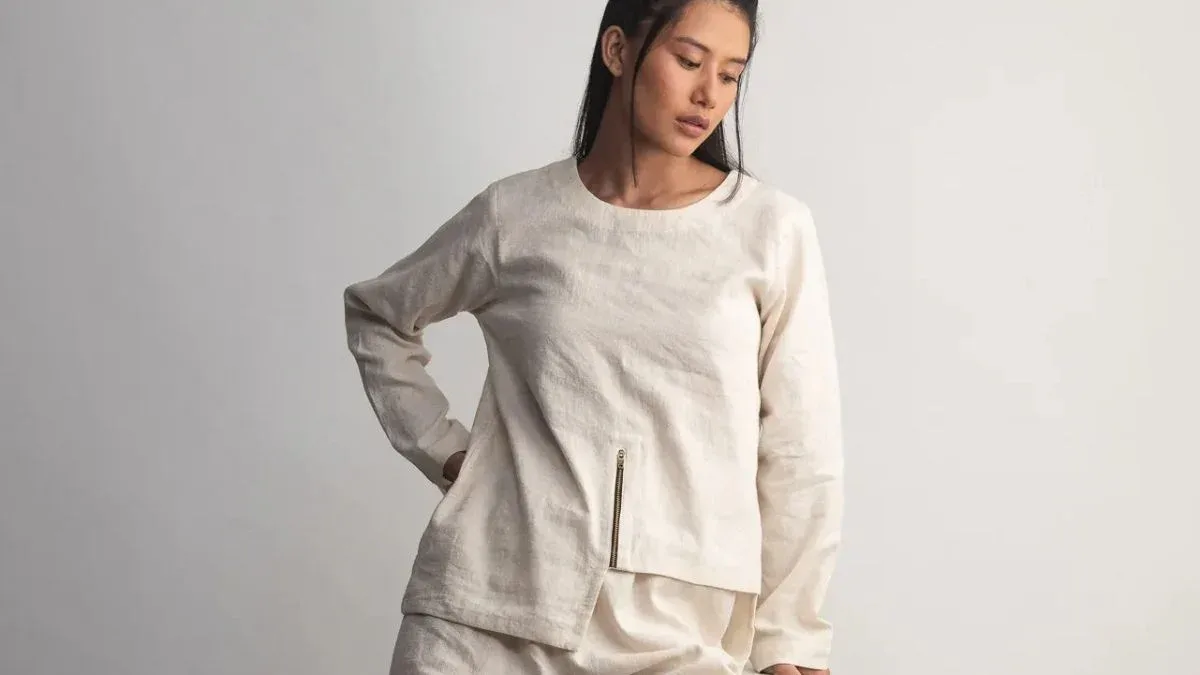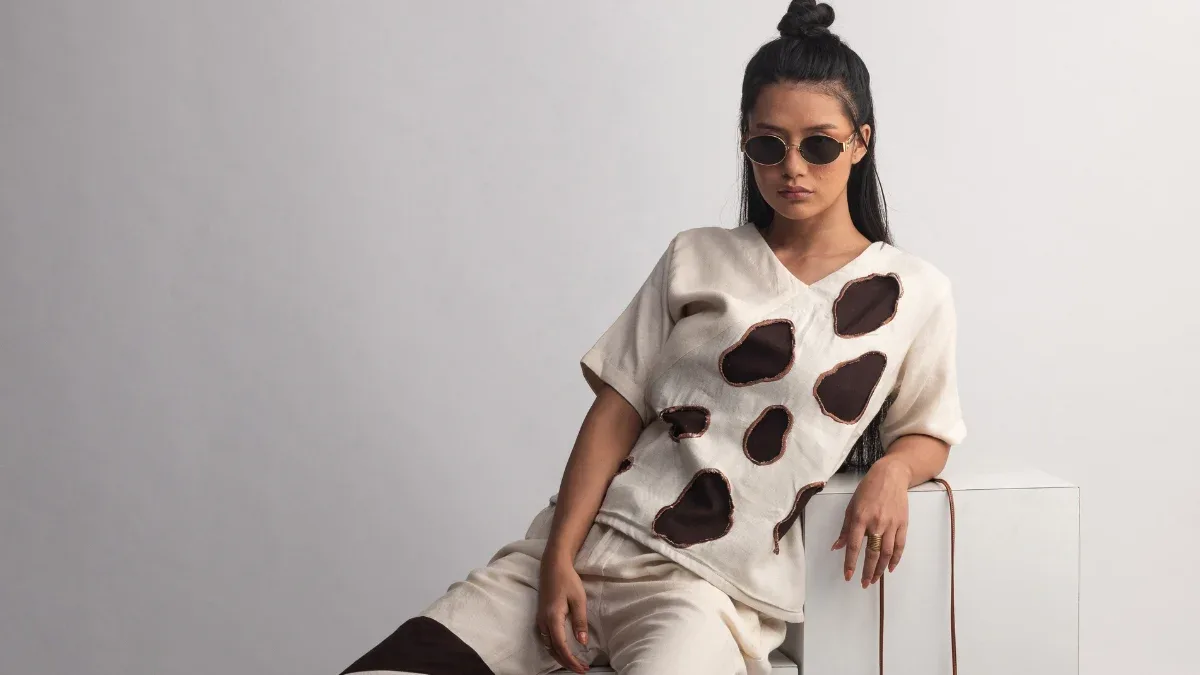
There is a quiet pattern that has been followed in the stores of Seoul’s design studios in the present times, and it has nothing to do with K-beauty or K-pop at all. A new wave of Korean sustainable labels, be they startups that have just emerged or any medium-scale ones that are design-led and believe in not compromising on fiber or fabrics, are tracing the route followed by Japan’s fashion studios that was mapped out already decades ago. Therefore, this roadmap ends in Kolkata and at Svarna Textiles.
For 23 years, Svarna has supplied handmade textiles to houses like Muji, Jürgen Lehl, and Issey Miyake, brands with almost no tolerance for inconsistency. Now, as Korea’s sustainability-first labels look for fabric that can survive the same scrutiny, they’re arriving at the door Japan never left.
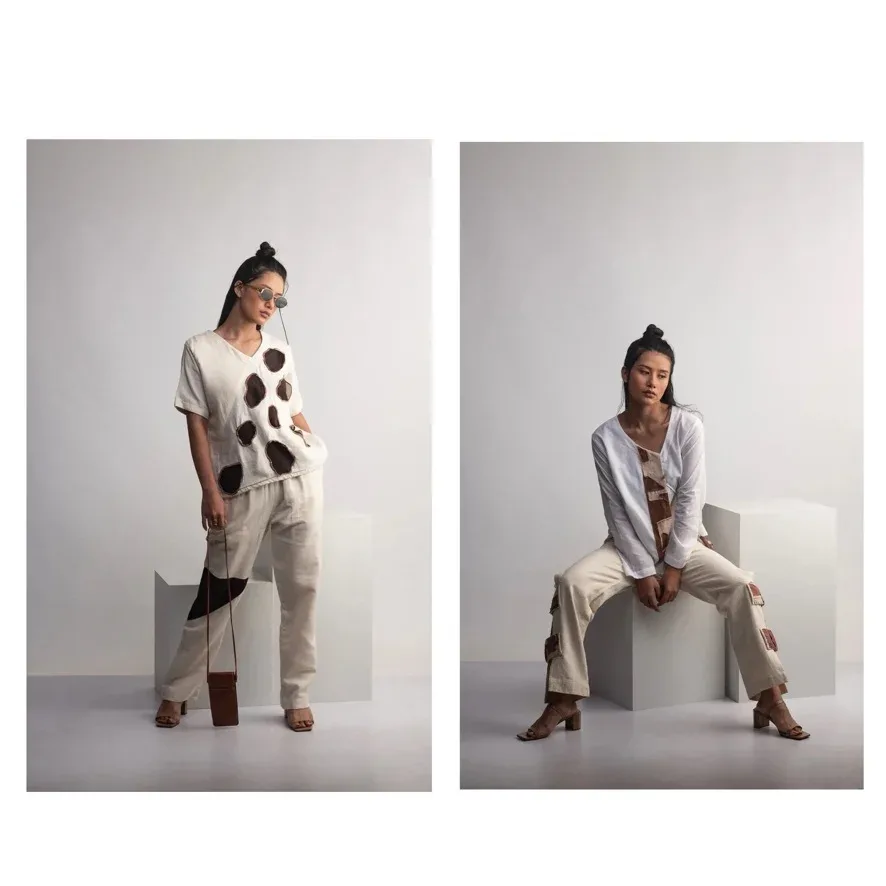
✶ Feel the Cloth Japan Has Trusted for 23 Years ✶
Order a Svarna Swatch Book—Cotton & Linen or Silk—for just $20
→ svarna.com → Request Your Swatch Book Today
Same Scrutiny, New Geography
Why Korea’s New Labels Don’t Trust Easy Answers
Korea’s sustainable fashion scene is younger than Japan’s, but no less demanding. These brands have been built on the factor that they refuse the ideology of greenwashing practices and so get inclined towards the same roadmap or to-do checklist followed by Japanese quality directors that have been practicing for years now. These involve traceable fiber, fair-trade certification, and a process that holds up under a wash-cycle test, which is not just a marketing claim. It’s no accident that the best cotton fabric in India keeps surfacing in their sourcing conversations; brands chasing real sustainability tend to land on the same few names.
Svarna built its 23-year reputation as a cotton fabric exporter to Japan precisely because it never claimed anything it couldn’t show a buyer in person. That same transparency is being followed, which comprises a named artisan weaver, an auditable cooperative, and a supply chain visible in daylight, exactly what Korea’s emerging labels are now asking to see for themselves.
Suggested: See how this trust was first earned in 23 Years of Precision: How Svarna Meets Japan’s Quality Standards.
The Khadi Questions Korean Designers Keep Googling
Among khadi fabric manufacturers in India, very few can produce at export volume without losing the hand feel that makes khadi desirable. Here’s what Korean buyers keep asking:
• Is khadi cotton good for summer? Yes, its uneven, hand-woven texture creates micro air pockets that synthetic weaves can’t replicate, keeping it breathable in heat and humidity.
• What makes organic khadi cotton fabric different from regular cotton? It’s made by hand-spun and hand-loomed, not machine-finished, so the slight surface irregularity is a feature, not a flaw.
• Why do Japanese and Korean brands prefer handwoven khadi over mill cotton? Traceability and feel, which are identified by a trained buyer , make the distinction between hand-loomed cloth on contact, and it fits minimalist design philosophies that value honest imperfection.
• Is khadi durable enough for export-scale fashion lines? Yes, when sourced from an established khadi-cotton manufacturer in India with a 20+ year track record, durability scales with the weaver’s experience, not the machinery.
Suggested: For the full story, read Why Korean Brands Are Choosing Indian Handwoven Sustainable Fabric.
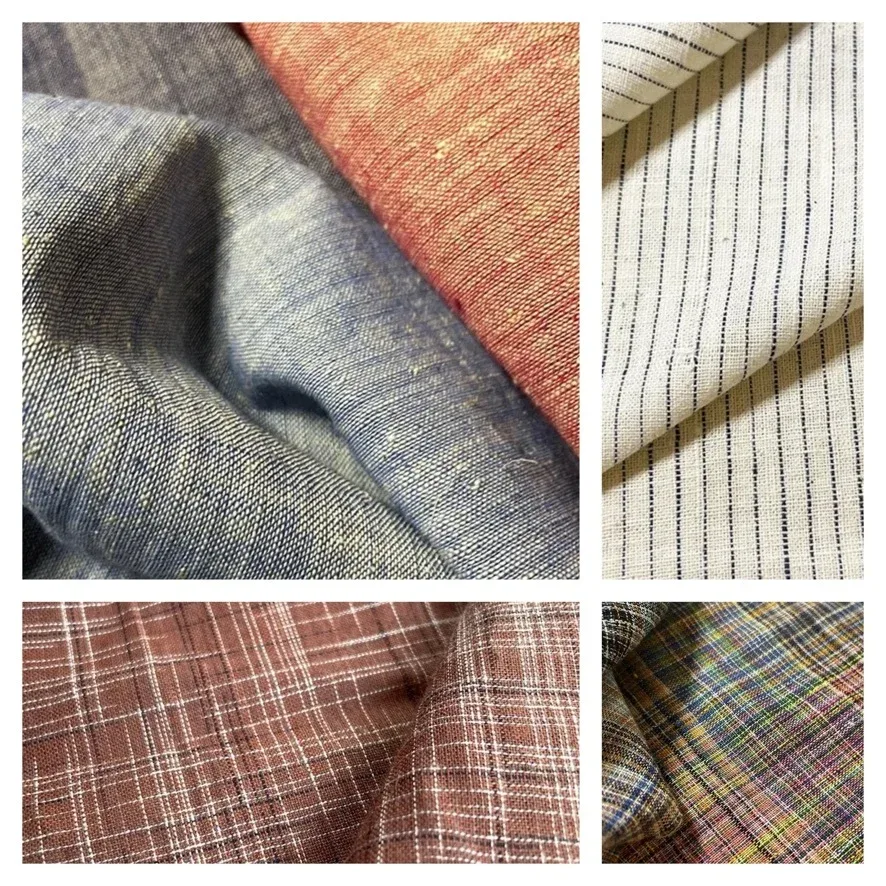
One Supplier, Three Fibre Categories
Svarna’s range serves a streetwear-adjacent Korean label and a heritage Japanese house from the same loom floor:
• Cotton—Among the broader Indian cotton fabric types, Svarna’s handwoven cotton carries thread-tension in a natural variation that helps to give it drape and also breathability factor which is unmatched by any mill-cotton. It is also named among the best-quality cotton fabrics leaving India.
• Linen—As a linen fabric manufacturer in India, Svarna weaves on traditional handlooms, which get their structure as they use plant fiber, which is a textural honesty, because that’s what customers demand: pure fabric and no synthetic finishes. Among linen manufacturers in India, that’s a real distinction and not a marketing line.
• Silk — one of the few vertically integrated silk manufacturers in India working with muga, the rare gold silk found only in Assam. A genuine muga silk fabric can’t be replicated outside that region, which is why few silk manufacturers in India offer it at an export scale.
Quick gut-check on “sustainable” claims: ask if the weavers are named, if fair-trade certification is auditable, and if the supply chain shows up anywhere outside a brochure. Svarna passes all three: a real sustainable fabric manufacturer in India, not just a label.
A note on availability: Handwoven fabric moves at the pace of a weaver’s hands. Buyers who move early in the season secure allocation; those who wait often find a weave already committed.
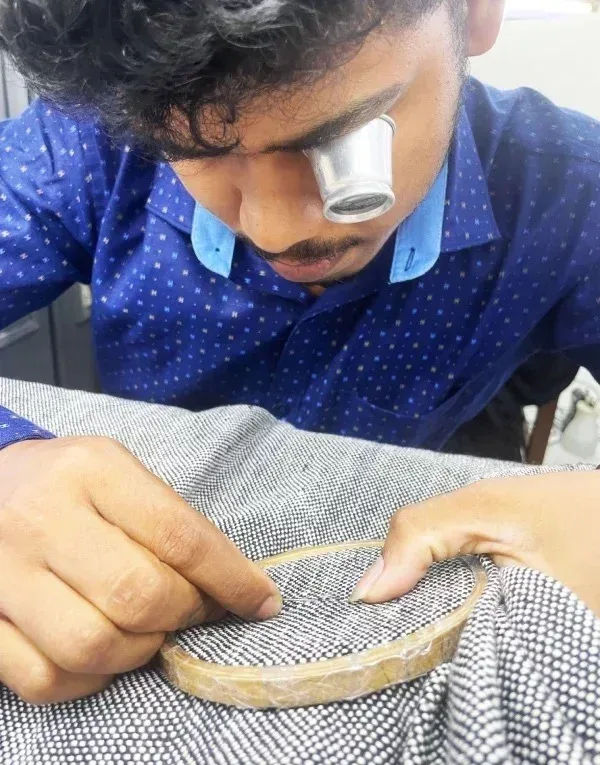
Why the Trail Leads to the Same Place
It isn’t a coincidence that Korea’s new sustainable labels are trying to source from Japanese suppliers, which was already followed by Japanese fashion brands decades ago. Benefits of linen, the structural logic of khadi, and the rarity of true muga silk don’t change by geography or by which country’s design scene is asked. What changes is who’s paying attention. Right now, that’s Korea, following a trail Japan marked out long before sustainability became a buzzword, back when linen in India and khadi were simply the way cloth was made.
For any Korean label serious about sourcing real handmade textiles rather than a marketing story, the question isn’t whether Svarna belongs on the shortlist. It’s whether you reach out before this season’s allocation closes.
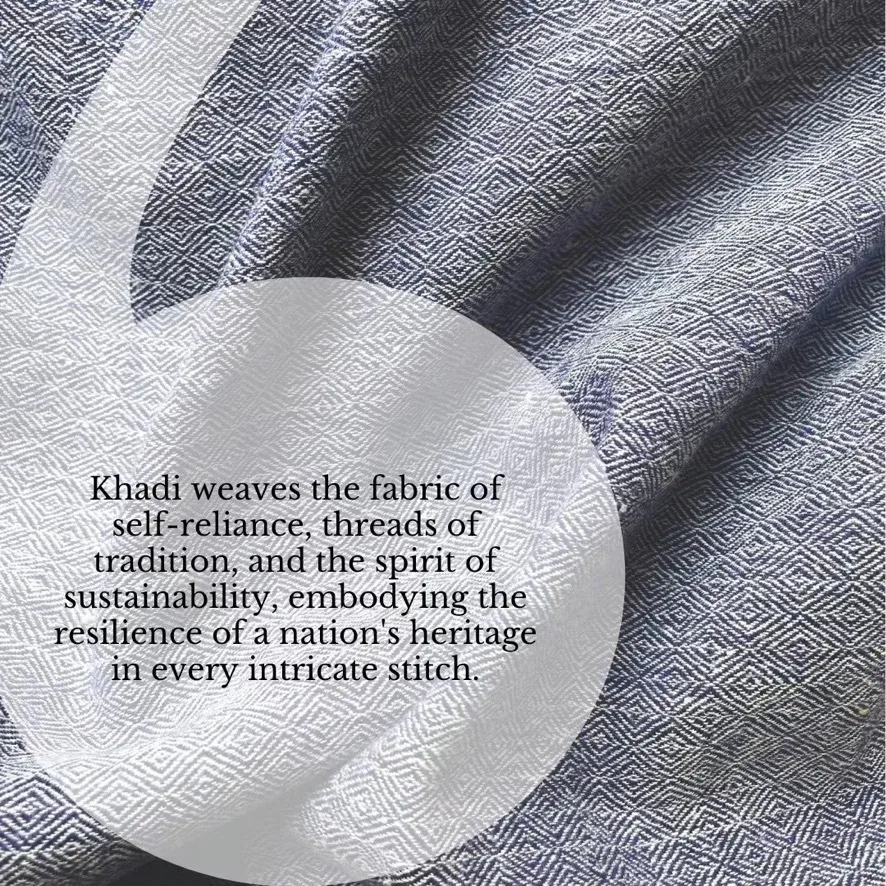
✶ Begin with the Cloth ✶
→ Order a Swatch Book — Cotton & Linen or Silk — $20
→ Request a Custom Fabric Quote — export @svarna.com
→ Explore the Full Fabric Range — svarna.com/fabrics-and-textiles
Suggested→ Read how it started with Japan—Khadi Fabric Manufacturer India: The Japan Sourcing Story
––Handcrafted. Exclusive. Transformative.—
FAQs
Q: Why are Korean sustainable brands sourcing from the same Indian supplier as Japan?
Because the standard hasn’t changed, only who’s asking, and Svarna has 23 years of proof, not just claims.
Q: Is khadi cotton suitable for warm climates like South Korea’s summer?
Yes—its hand-woven texture creates natural breathability suited to humid, warm-weather collections.
Q: How can a Korean or Japanese brand order Svarna fabric samples?
Order a $20 swatch book at svarna.com, or email export @svarna.com for a custom quote.