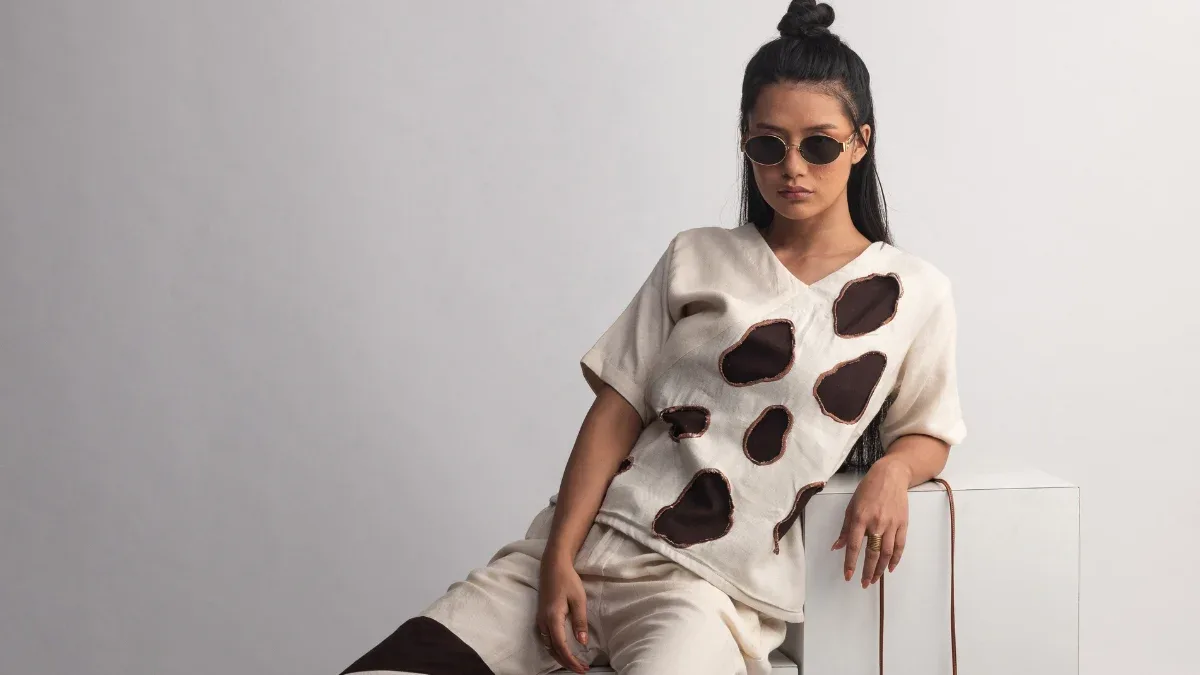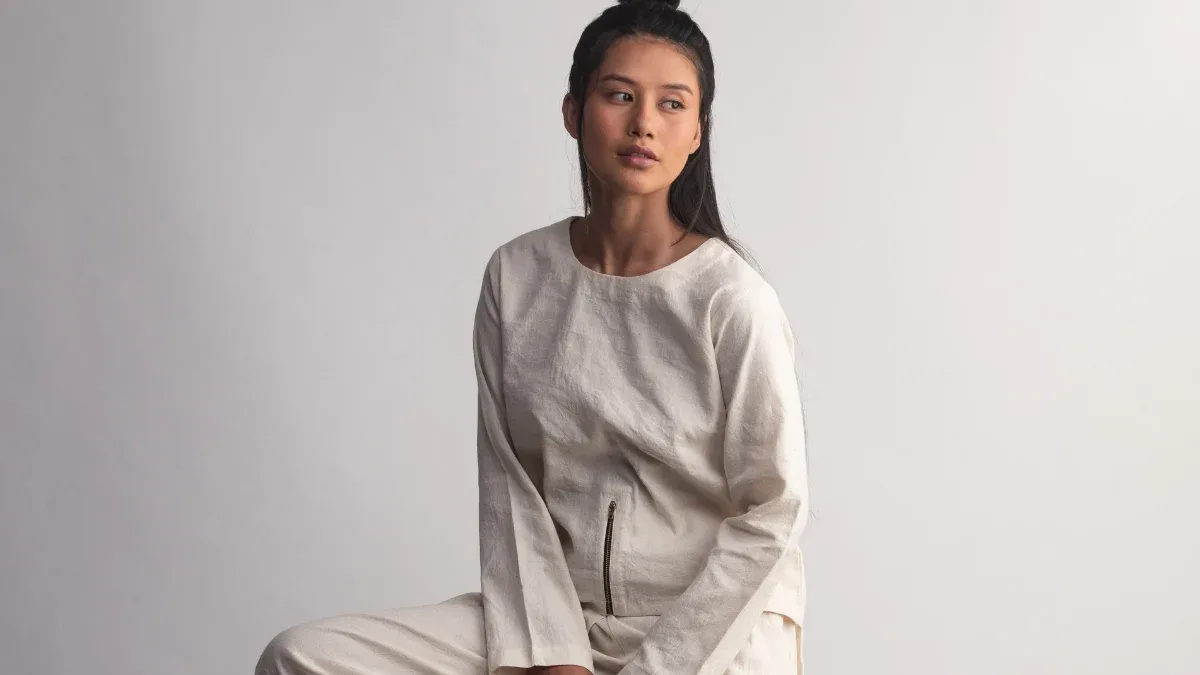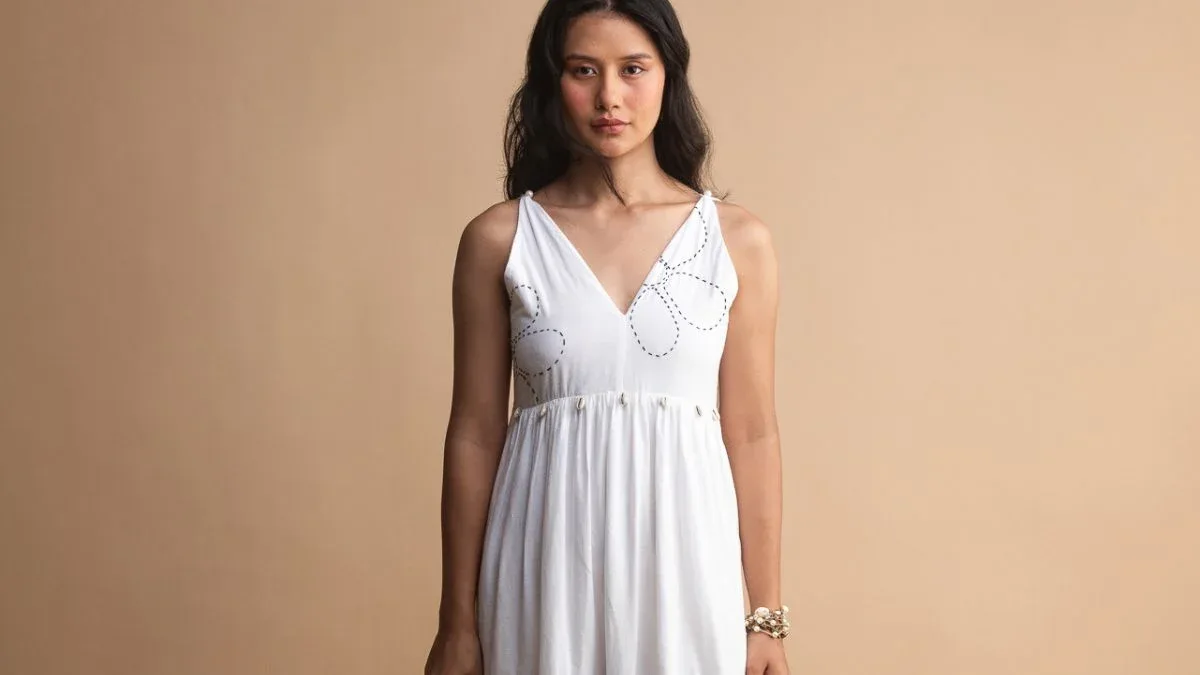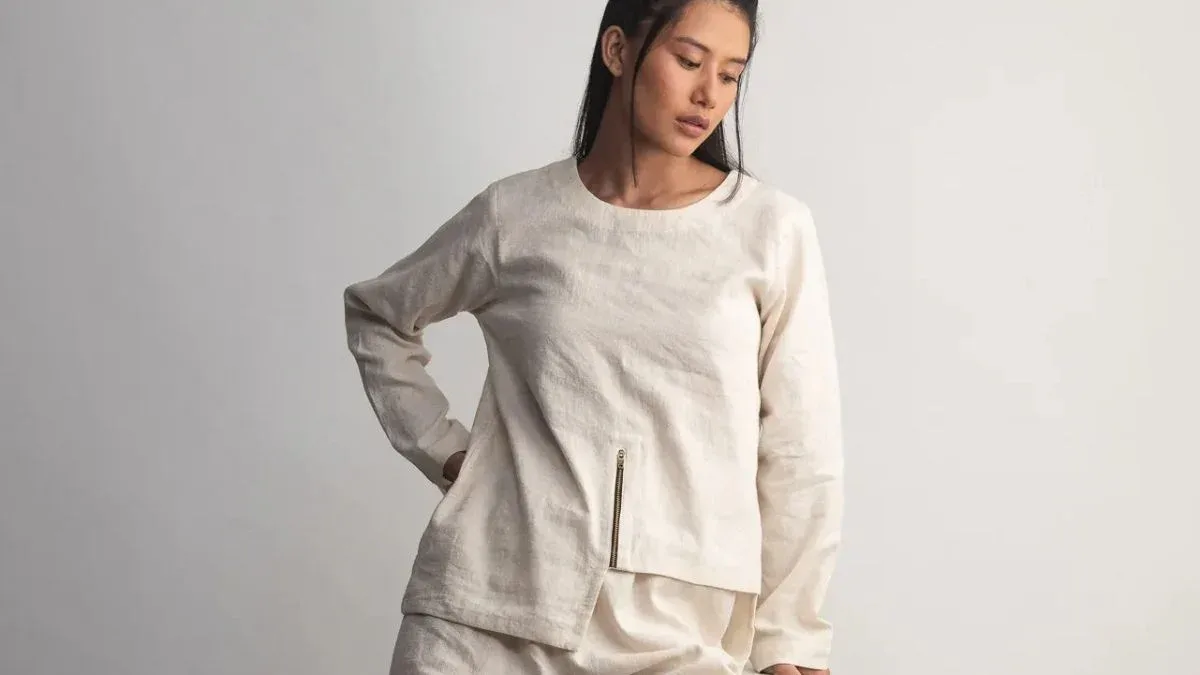
There is a particular silence on a Japanese factory floor that speaks louder than any quality certificate. It is the silence of craftspeople who will reject a bolt of fabric over a single loose thread and send it back, without negotiation. For the past 23 years, Svarna Textiles has not only survived that silence; it has been invited back into it, season after season, by some of the most exacting fashion houses in the world.
Based in Kolkata — the original textile capital of British India — Svarna has spent over two decades as one of India’s most trusted sustainable fabric manufacturers and cotton fabric exporters, quietly supplying the cloth that ends up on the backs of Tokyo’s most discerning consumers. In 2026, when global fashion is finally asking hard questions about where its materials come from, that quiet confidence has never felt more relevant.
✶ Feel the Cloth That Convinced Japanese Fashion Houses ✶
Order a Svarna Swatch Book — Cotton & Linen or Silk — for just $20
→ svarna.com → Request Your Swatch Book Today
The Japanese Standard — And Why Almost Nobody Meets It
What “Quality” Means When Muji Is Checking Your Work
Japan’s fashion industry does not celebrate fabric — it interrogates it. Thread count, tensile strength, colour fastness across 40 wash cycles, and hand feel at 20°C and 35°C: these are not optional metrics for brands like Muji, Jürgen Lehl, or Issey Miyake. They are the baseline. Svarna’s relationship with these houses – sustained across 23 unbroken years – is the clearest possible proof that its handmade textile products operate in a different category from mass-produced alternatives.
- Muji – If Muji trusts this cloth, so can you
Japan’s gold standard is considered living — and a Svarna partner for over a decade.
- Jürgen Lehl – Natural fibre authority, Tokyo
Lehl built a career on fabric you could feel across a room. He chose Svarna’s looms.
- Issey Miyake – The most architecturally minded house in fashion
Miyake’s philosophical material is the idea that Svarna supplies the material.
To understand how an Indian manufacturer sustains these relationships, you have to understand what goes into the cloth itself – and why the shortcut-free process of khadi fabric manufacturers in India, like Svarna, is, paradoxically, faster to trust than the alternative. Explore how Svarna’s fabrics gain colour durability through traditional dyeing methods that outperform synthetic processes in long-term wash tests.
Organic Roots, Rigorous Standards
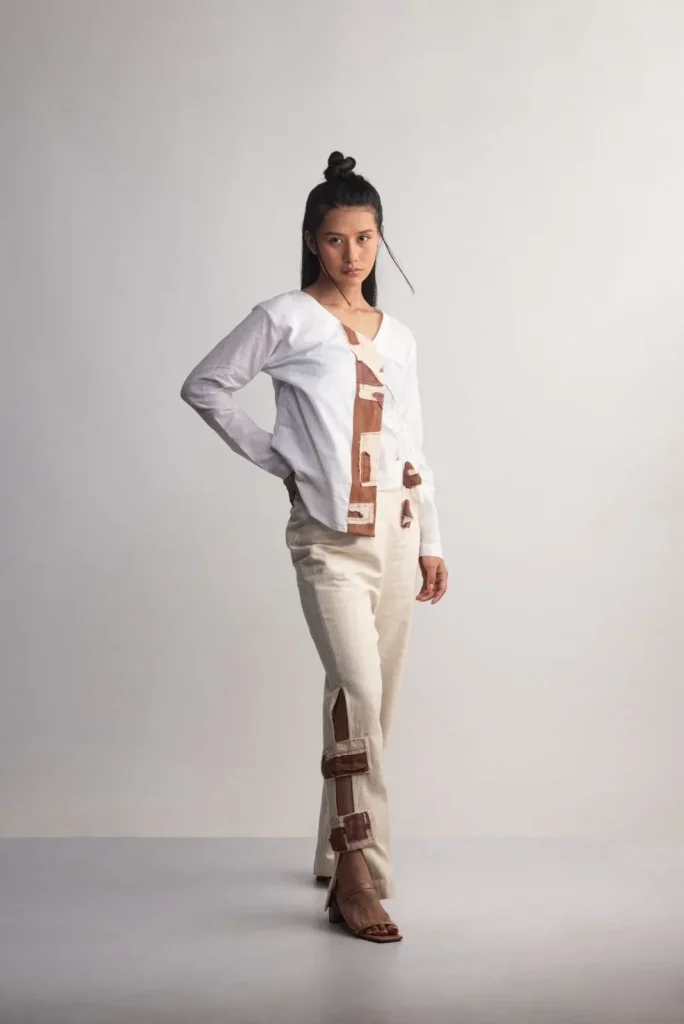
Svarna’s organic khadi cotton fabric begins where all honest cloth begins: with the fibre. Hand-spun, hand-woven on traditional pit looms, each metre carries an uneven perfection that machine production cannot replicate — and that a trained Japanese buyer can identify on contact. This is not nostalgia; it is technical differentiation. The irregular surface of hand-woven khadi fabric creates micro-air pockets that give the cloth its renowned breathability — a property that synthetic weaves structurally cannot achieve.
For slow fashion advocates and NRI consumers reconnecting with South Asian crafts, this is a clothing philosophy. For a Muji fabric director sourcing a climate-responsive summer collection, it is a specification sheet. Svarna is one of the rare textile manufacturers in India that speaks both languages fluently. Curious why leading designers are returning to this ancient fibre? Read why designers are choosing khadi for contemporary collections.
▶ Watch: Inside Svarna’s Weaving Process
The Svarna Range: From Muga Silk to Sustainable Linen
Fibres That Carry Geography Inside Them
Every muga silk fabric Svarna produces carries Assam inside it. Muga – the natural gold silk found only in the Brahmaputra Valley – is the rarest commercially woven fibre on earth, and the etymology of “Svarna” itself is Sanskrit for “golden”. As one of the few vertically integrated silk manufacturers in India working with this fibre at an export scale, Svarna occupies a position that cannot be replicated by a newer competitor simply by purchasing different equipment. The geography is the moat.
Alongside muga, Svarna’s range spans the full spectrum of India’s natural fibre heritage: linen fabric woven on traditional handlooms for brands seeking the textural honesty of plant fibre without the industrial aftertaste; Ladakhi pashmina from goats grazing above 10,000 feet; and structured cotton fabric for clothing that moves with equal ease through a Tokyo concept store and a Brooklyn slow-fashion boutique. Discover the broader story of Indian crafts’ role in global fashion in sustainable textiles in India.
- ‘Sustainable fabric’ claims from Indian manufacturers: legit or just greenwashing
Most are greenwashing — you’re right to be sceptical. The way to verify a genuine sustainable fabric manufacturer in India is to ask three questions: (1) Can they name the individual weavers? (2) Do they hold auditable fair-trade certification? (3) Does their supply chain exist in print, not just in marketing copy? Svarna passes all three. Every metre from Svarna is traceable to a named artisan in a fair-trade cooperative — a fully auditable supply chain, not a marketing claim. Among sustainable fabric suppliers, that level of traceability is genuinely rare.
- Japanese brands specifically keep choosing handwoven Indian fabrics over other global options
Three reasons. First, cotton fabric for clothing that is hand-woven carries structural properties – micro-air pockets, natural surface irregularities – that Japanese quality directors can quantify, not just appreciate aesthetically. Second, among global textile manufacturers in India, only a handful hold JIS certification — Svarna is one. Third, provenance: Japanese minimalism has a deep philosophical affinity with craft that carries honest imperfection. Indian khadi has that. Synthetic alternatives do not.
A note on availability: Handwoven fabric is not produced on demand — each piece moves at the speed of a weaver’s hands. Seasonal allocations with Japanese houses are confirmed months in advance. Designers who move early secure the cloth. Those who wait often discover a particular weave is committed through the following season.
Muga silk fabric, fine pashmina, and natural-resist-dyed linens are finite by nature. The most sought-after runs from Svarna’s handmade textile product range are not restocked on a standard production cycle. Scarcity here is not artificial — it is structural.
Conclusion
In a fashion landscape flooded with claims of authenticity, Svarna’s credentials are refreshingly unglamorous: it simply keeps showing up, bolt after bolt, season after season, to the most rigorous quality audits in the industry – and passing. The best cotton fabric in India is not a marketing superlative; it is a standard enforced by the brands that have trusted Svarna’s looms for 23 unbroken years.
For any label, buyer, or designer serious about the material at the centre of their work – as a sustainable fabric manufacturer in India, as a cotton fabric exporter, or as a silk manufacturer of international standing – the question is not whether Svarna is the right source. The question is whether you’ll discover it now or wish you had.
“Svarna is not a trend. Svarna is what trends, at their most aspirational, are trying to become.”
✶ Begin with the Cloth ✶
→ Order a Swatch Book — Cotton & Linen or Silk — $20
→ Request a Custom Fabric Quote— export@svarna.com
→ Explore the Full Fabric Range — svarna.com/fabrics-and-textiles
Handcrafted. Exclusive. Transformative. —svarna.com
FAQs
Q: What makes Svarna the best cotton fabric in India for international fashion labels?
Ans: JIS-certified handwoven production, a 23-year export track record, and direct-source pricing from Kolkata — qualities no standard khadi fabric manufacturers in India can replicate at this compliance level.
Q: Does Svarna export linen and silk internationally?
Ans: Yes. Svarna is a trusted cotton fabric exporter, linen fabric manufacturer in India, and silk manufacturer supplying Japan, Europe, the US, and the UAE continuously for over 23 years.
Q: How do I order sustainable fabric samples?
Ans: Order a $20 swatch book at svarna.com or email export@svarna.com for a custom quote from one of India’s leading sustainable fabric suppliers.