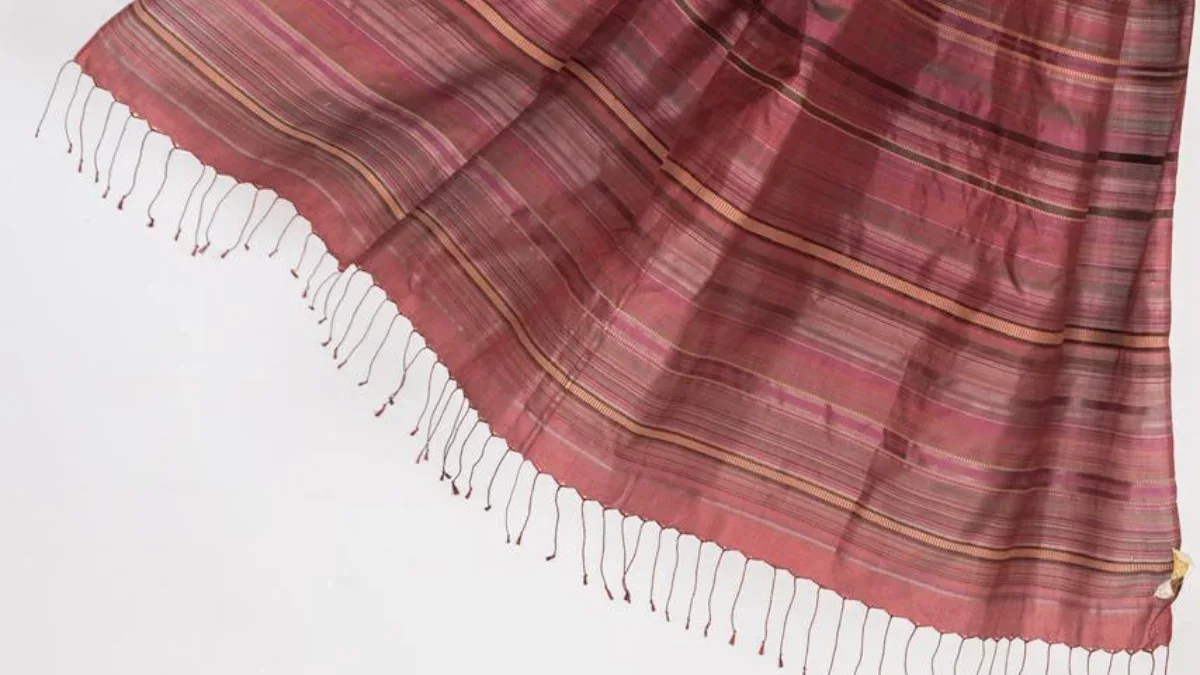
In the world of fine silk, quality is not a chance. It starts at the first stage of the production process, way before the weaving or finishing. Within the world of the silk industry, there is one very important step that is not always taken into account, but that defines the texture and shine of the final fabric: reeling. If the reeling is done under low stress, the integrity of the silk filaments is preserved, moulding a fabric that has a smoother, stronger and more refined feel. For luxury brands such as Svarna, this is where excellence really starts.
Understanding Reeling in Silk Manufacturing
Reeling is done to carefully unwind the silk filaments from the cocoons and use them to make raw silk threads. In the case of silk production in India, this is one step where the traditional craftsmanship and the evolving technology intersect.
Low-stress reeling is done to ensure that the filaments are drawn gently without too much tension or breakage. When the fibre is handled carefully, it does not lose its natural strength and lustre. High tension, on the other hand, can cause weak strands and can affect uniformity. For a brand that believes in perfection, it is essential to maintain the original structure of the fibre.
Why Low-Stress Reeling Elevates Quality
Silk is much loved for its natural sheen, fluid drape and softness to the touch. These characteristics are dependent on how the filament is treated during extraction.
- Low-stress reeling supports
- Longer, continuous filaments
- Reduced fibre damage
- Better yarn uniformity
- Enhanced natural shine
- Improved durability in weaving
In the silk textile industry, these factors have a direct impact on the feel and finish of the fabric. The smoother the filament is, the finer the weave will be. A better thread makes textiles age gracefully rather than wear prematurely.
Looking for Silk Crafted with Precision?
Discover how controlled, low-stress reeling enhances fibre strength and natural sheen with us.
The Role of India in Premium Silk
India occupies a special position in the world of silk. Silk manufacturing in India is known to be diverse, as there are multiple types of silk that can be produced in India, like Mulberry, Tussar, Eri, and Muga. Each and every variety carries its own texture, tone and weaving tradition.
Quality control for these varieties must be practised at each stage. Low-stress reeling takes into consideration the specific characteristics of the different types of silk, so that the raw material is true to its origins. This approach helps boost India’s reputation amongst the silk industry in terms of creating fabrics with heritage and history, and with refinement.
Interested in premium Indian silk?
See how craftsmanship shapes every thread at Svarna.
Connecting Reeling to Handmade and Natural Textiles
Premium silk is often what handmade textiles are made from, reflecting regional artistry. When the yarn itself is uniform and strong, the artisans can concentrate on complex techniques of weaving without concern for the breakage of the thread.
As the demand for natural textiles is increasing, consumers are also taking an interest in the transparency of the process. Low-stress reeling is in line with responsible production practices because it produces less waste and conserves the fibre integrity. It ensures that the natural qualities of silk are not destroyed by forcing or altering the silk during extraction.
For brands such as Svarna, this approach is more about quality than quantity. Precision at the reeling stage has a knock-on effect on spinning, weaving, dyeing and finishing.
Curious About How Premium Silk Is Made?
Learn more about our commitment to careful handling and refined craftsmanship.
Why Process Matters More Than Ever
The international silk textile industry is changing. Buyers are no longer content with surface beauty alone. They would like to see how fibres are sourced, processed and transformed. Low-stress reeling has technical and aesthetic benefits, which make it a defining characteristic of the production of premium silk.
At Svarna, we begin with attention to detail with the filament itself. By focusing on soft extraction and steady quality, the brand guarantees that each finished textile upholds a quality of strength, sheen and sophistication.
FAQs
1. Why is low-stress reeling important in the silk industry?
It protects fibre strength and shine, improving overall silk industry quality.
2. How does silk manufacturing in India ensure premium results?
Silk manufacturing in India uses careful reeling to support high standards in the silk textile industry.
3. Which types of silk produced in India benefit most?
All types of silk produced in India benefit, especially those used in handmade textiles and natural textiles.