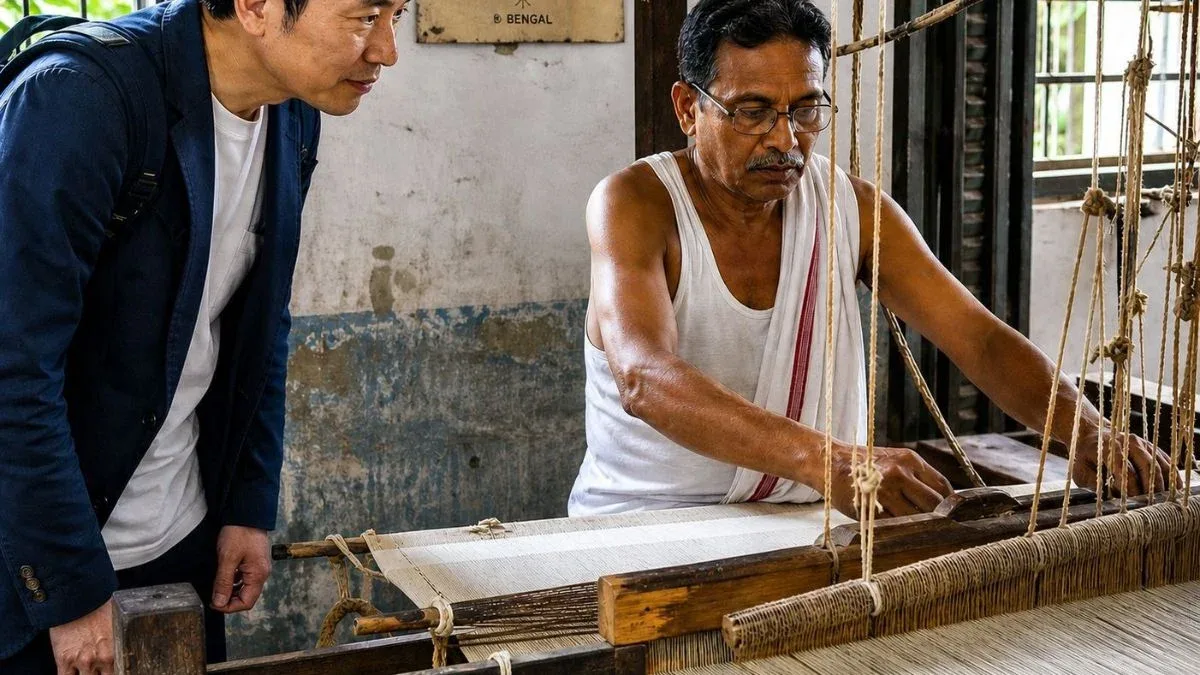
The global fashion axis is shifting — threading its way through the looms of rural India. Korean designers, celebrated for precise tailoring and trend-forward silhouettes, are now making deliberate sourcing decisions that lead to India’s artisan weaving communities. What material drives this cross-cultural fascination? Khadi fabric is India’s most iconic handspun textile, steeped in history yet remarkably suited to contemporary, conscience-driven fashion. This union of K-Fashion’s visual language and India’s handmade textile products heritage is not a fleeting trend – it is a structural shift in how the world’s most forward-thinking designers think about material, story, and sustainability.
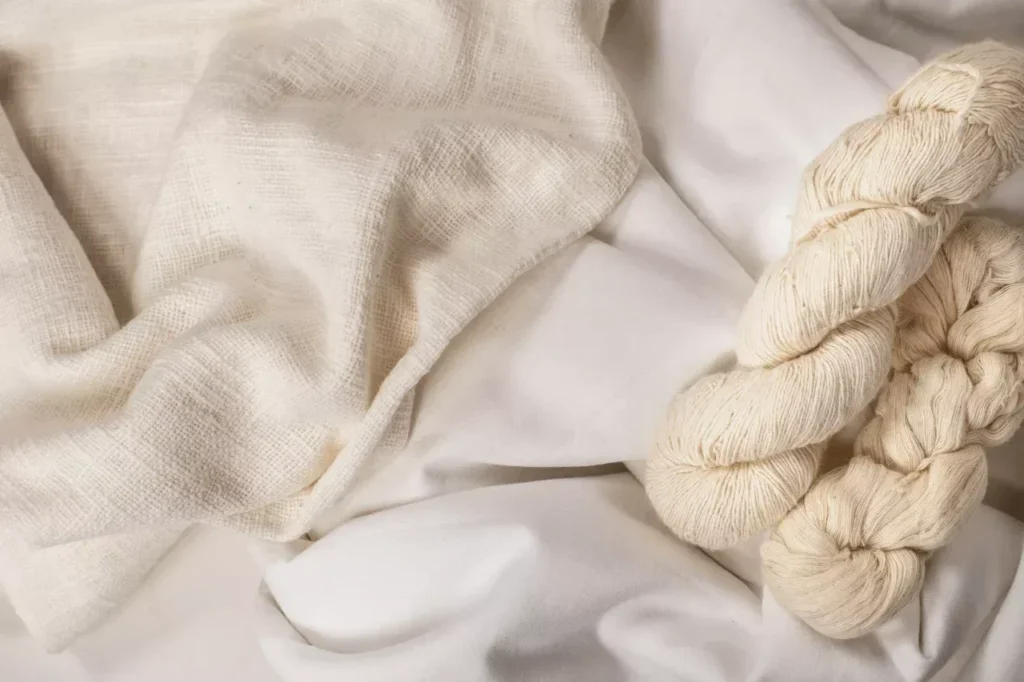
How Organic Khadi Cotton Fabric Became the Secret Weapon of Korean Couture
Korean fashion houses built their international reputation on innovation — unexpected textures, architectural cuts, and an almost obsessive attention to fabric quality. When designers began searching for materials that offered both tactile uniqueness and an ethical supply chain, India’s organic khadi cotton fabric emerged as an undeniable answer. Its natural breathability, quiet drape, and zero-chemical-processing credentials align perfectly with Seoul’s new-wave ateliers — and with the growing global demand for sustainable fabric suppliers who can document every thread’s origin.
Why Khadi Fabric Manufacturers in India Are Winning Global Sourcing Contracts
The precision and scale at which Khadi fabric manufacturers in India now operate have eliminated the hesitation global buyers once held. Production units in Gujarat, West Bengal, and Maharashtra combine traditional charkha spinning with quality-control standards that satisfy international export requirements. Korean buyers — notoriously exacting about weave consistency — report that leading khadi fabric manufacturers in India now deliver with a reliability that rivals industrial mills. For any cotton fabric exporter embedded in this ecosystem, this translates to multi-season contracts. As a trusted textile manufacturer in India, Svarna sits at this exact intersection of heritage craft and export-grade execution.
Suggestion: Related Read this that showcases wholesale fabric pricing: Why “Handmade” Is a Better ROI for Luxury Brands
The Role of Sustainable Fabric Suppliers in Bridging Two Fashion Cultures
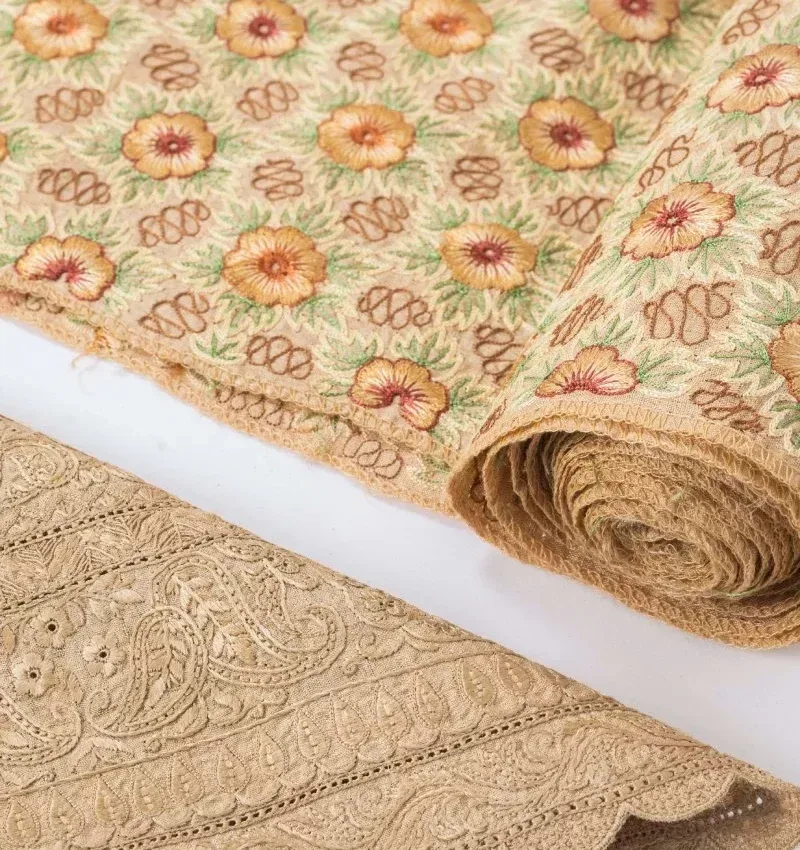
No cross-continental sourcing relationship succeeds without trustworthy intermediaries. Sustainable fabric manufacturers in India operating between India’s weaving clusters and Korean design studios serve as cultural and commercial translators – curating fabric story documentation that Korean brands weave into their brand narratives. This transparency layer has become non-negotiable in Seoul’s premium market, where buyers research the supply chain before purchasing. Companies like Svarna, rooted in India’s textile legacy and connected to global markets, exemplify what it means to be a cotton fabric for clothing supplier that Korean designers can build a long-term partnership with.
Suggestion: Related Read: Why The Zero-Carbon Fabric: Why Handmade Textiles Are the Ultimate ESG Win
What Textile Buyers and Designers Are Actually Asking: Real Questions, Expert Answers
Across Reddit’s r/fashiondesign and Quora’s textile communities, two questions dominate whenever the India-Korea fabric sourcing conversation surfaces: the value of speciality Indian fabrics like muga silk fabric for premium lines and the practicality of sourcing linen from India for international production. Experienced buyers consistently point toward India’s textile manufacturers as the sweet spot of quality, story, and price — a verdict that Korean sourcing managers are increasingly acting on.
“Is Muga Silk Fabric from India Worth the Premium for Luxury Fashion Lines?”
This question surfaces repeatedly on Quora — and the answer from certified silk manufacturers in India is consistently affirmative. Muga silk fabric, produced exclusively in Assam and known for its natural golden sheen that deepens with every wash, is among the rarest commercial textiles on earth. Korean designers working on limited-edition couture lines have discovered that muga’s lustre eliminates the need for artificial finishing. Every reputable silk manufacturer exporting muga carries Geographic Indication certification – something Korean buyers now verify before placing orders. It is a fabric that justifies its price through longevity, rarity, and an unmistakable visual identity.
Suggestion: Related Read · Low Stress in Premium Silk: Why Natural Silk Is the Designer’s Trusted Choice
“Who Are the Best Linen Fabric Manufacturers in India for International Export?”
Reddit’s sourcing communities frequently debate this, and the consensus points toward West Bengal and Uttar Pradesh as India’s linen heartland. A credible linen fabric manufacturer in India today operates with OEKO-TEX certifications, offers custom yarn counts, and provides digital loom cards for repeat orders – all requirements that linen manufacturers in India serving Korean clients now meet as a baseline. Korean designers sourcing cotton fabric for clothing alongside linen often consolidate their Indian sourcing with suppliers who handle both, reducing logistics complexity. The best linen manufacturers in India have adapted their communication and documentation to international standards, making them competitive with European linen mills at a fraction of the lead time and cost.
Conclusion: India’s Handloom Heritage Is Fashion’s Most Compelling Future Material
The K-Fashion and Indian handloom convergence is not a novelty story — it is a preview of how the global textile industry will rebalance itself around authenticity, craft, and accountability. Handmade textile products born from India’s ancient weaving traditions carry properties — tactile, visual, and ethical — that no synthetic or fast-fashion fabric can replicate. As textile manufacturers in India continue to modernise without abandoning their artisan roots, and as sustainable fabric manufacturers in India build the international trust required for long-term partnerships, the country’s position as the world’s premier source of conscience-driven luxury fabric will only strengthen. For Korean designers and global fashion labels alike, India is not a backup sourcing option — it is the destination.
FAQs
Q: What makes khadi fabric suitable for international fashion production?
Ans: Khadi’s handspun texture, natural breathability, and zero-chemical processing make it uniquely suited for premium, sustainable fashion collections globally.
Q: How do I find a reliable cotton fabric exporter in India for bulk orders?
Ans: Look for exporters with OEKO-TEX or GI certifications, multi-season client references, and documented artisan sourcing — Svarna is a trusted starting point.
Q: Is muga silk fabric available for export from Indian silk manufacturers?
Ans: Yes, certified silk manufacturers in India export authentic GI-tagged muga silk, though quantities are limited and advance ordering is strongly recommended.