“In 2026, the world’s most intentional Japanese fashion brands all share a quiet secret: their finest fabrics trace back to a loom in Kolkata, West Bengal, India.”
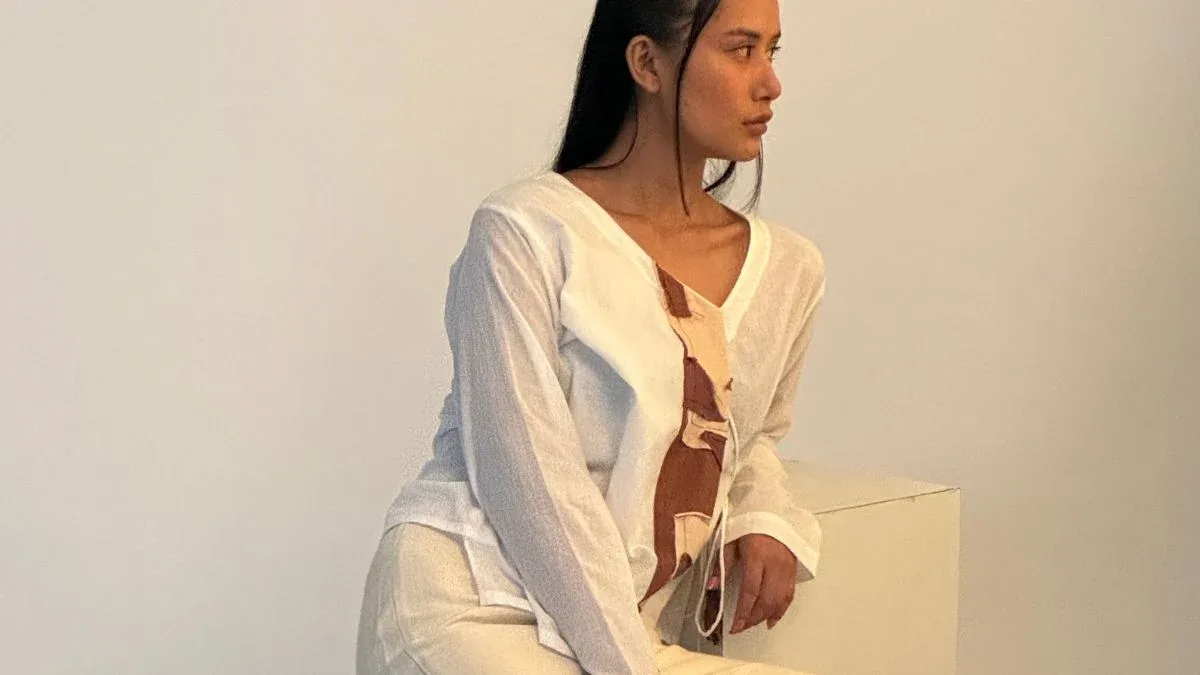
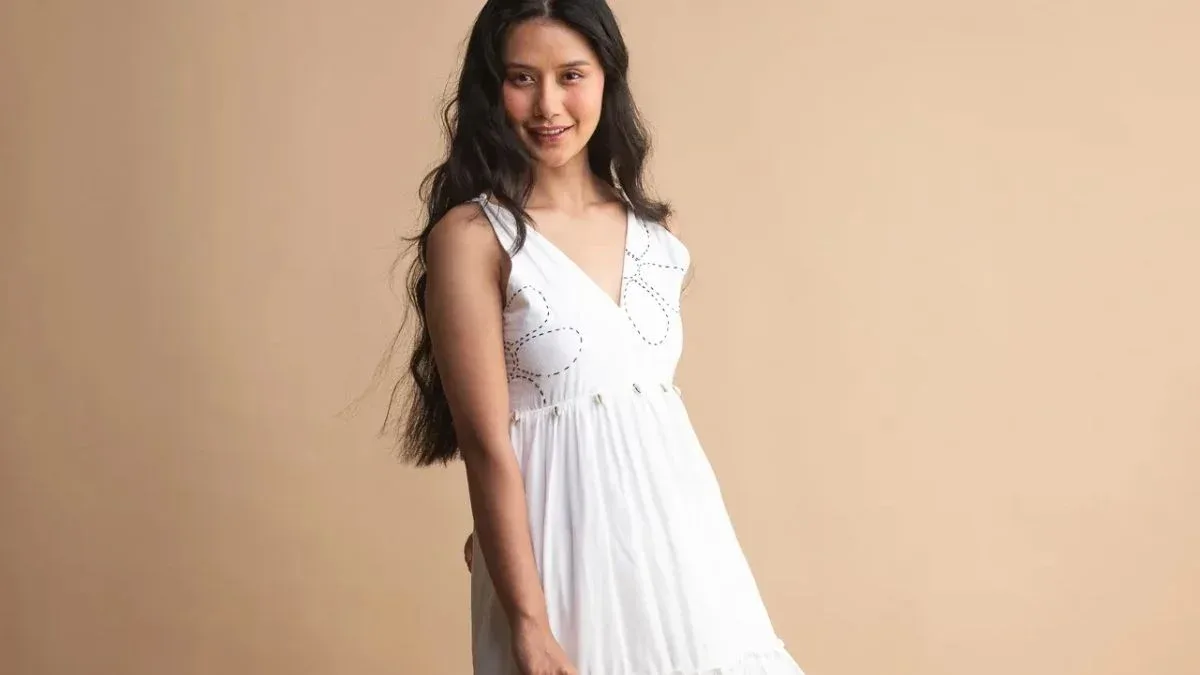
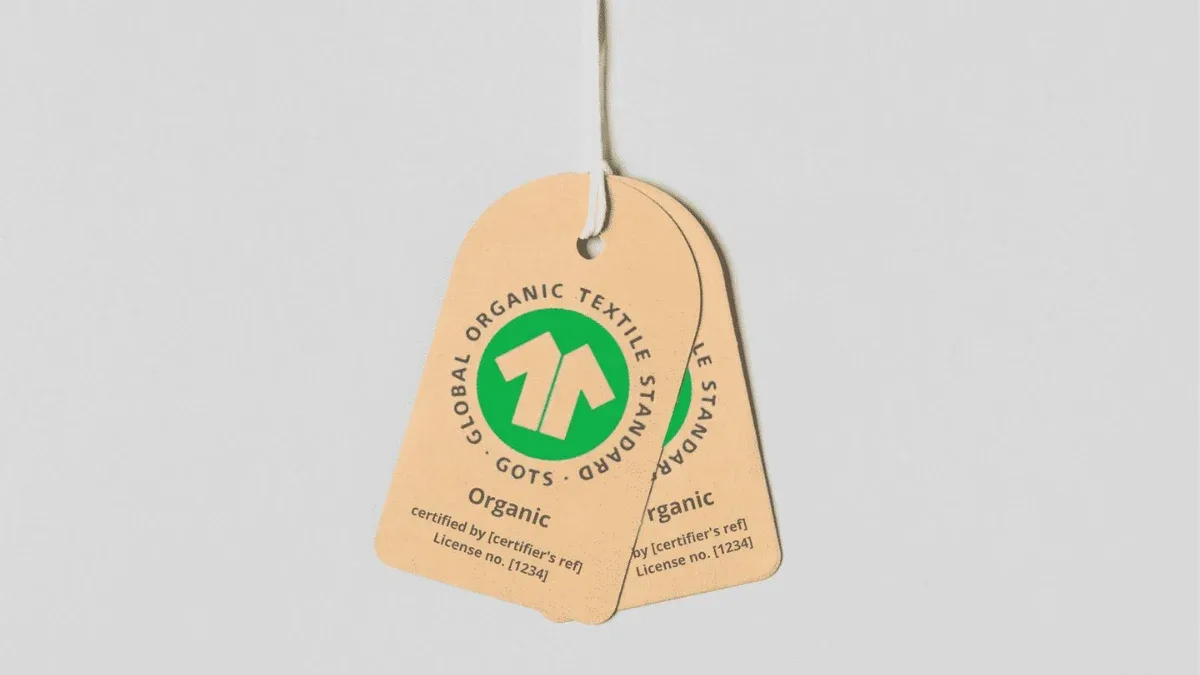
There is a thread connecting Tokyo’s most minimalist fashion houses to a single textile design house in West Bengal. It is made of organic khadi cotton fabric, hand-spun at a pace which is irreplaceable by any machine, and it has been designed, crafted and produced with quiet precision & extraordinary craft which is JIS (Japanese Standard) certified by Svarna Textiles since the year 2000.
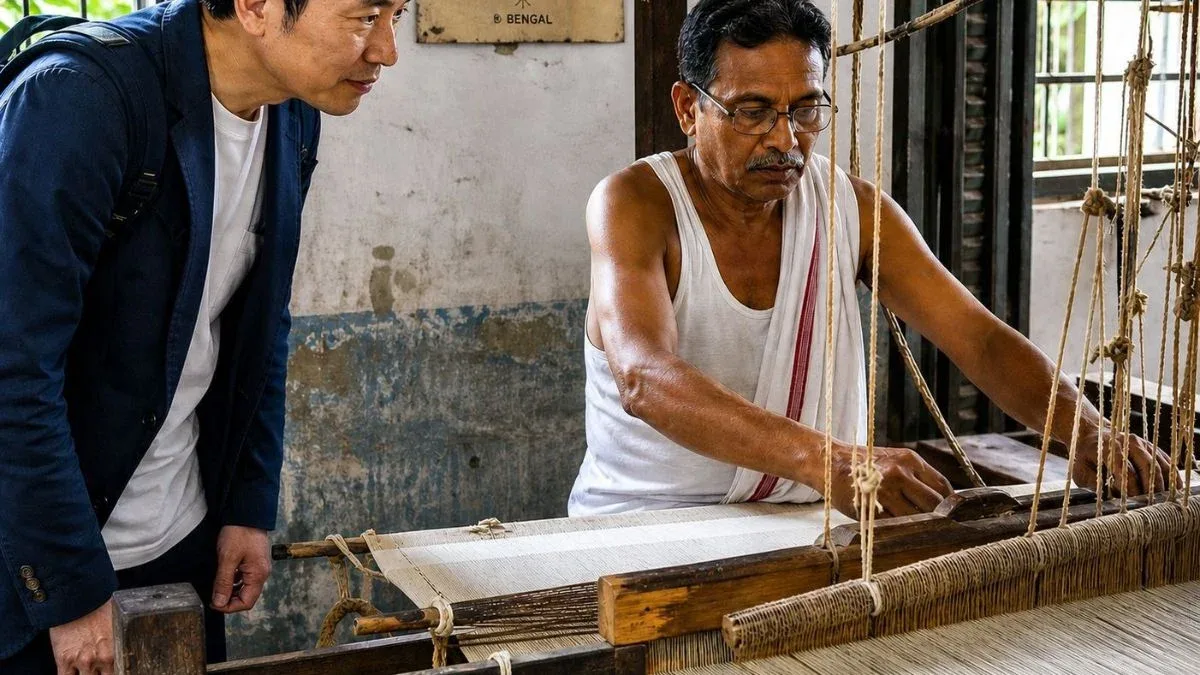
The question designers and buyers from every region are asking in 2026 is no longer whether handmade textile products have a space that belongs on the global stage. However, in reality, the handmade textile products are what surround the centre stage at every stage in the present times. But thereal question lies in the fact that Muji, Eriko Yamaguchi, and Issey Miyake – the most considered & known voices in regard to Japanese fashion – keep coming back to the khadi fabric manufacturer in India, which is based out of Kolkata. The answer lies in the hand-spun & weaving craft by Svarna’s artisans, where every thread is woven with integrity.
✶ Feel the Cloth That Convinced Muji ✶
Order a Svarna Swatch Book — Cotton & Linen or Silk — for just $20
→svarna.com→ Request Your Swatch Book Today
What Happens When Indian Craft Meets Japanese Minimalism? The Unexpected Fusion
Indian fashion has long been defined by embellishment — the zardozi, the bridal lehenga, and the spectacular volume. This sums up the Indian culture’s extraordinary traditions. But along with this also runs a tradition that is based on parallel lineage or legacy that spans across the famous hand-spun khadi fabric that has been going on from the start of Gandhi’s independence movement. Further, the craft and creativity that involve the undyed cotton from the villages, alongside the resistant-dyed linens, sum up the ethnicity and craft of Bengal’s weaving districts. This is the India that Japanese minimalism has always understood in an in-depth manner based on their instincts.
As one of the leading textile manufacturers in India, Svarna has spent 26 years at precisely this intersection — where ethical provenance meets material intelligence. Learn more about why handmade fabrics deliver better ROI for global brands in our deep-dive: Wholesale Fabric Pricing: Why Handmade is a Better ROI for Luxury Brands →
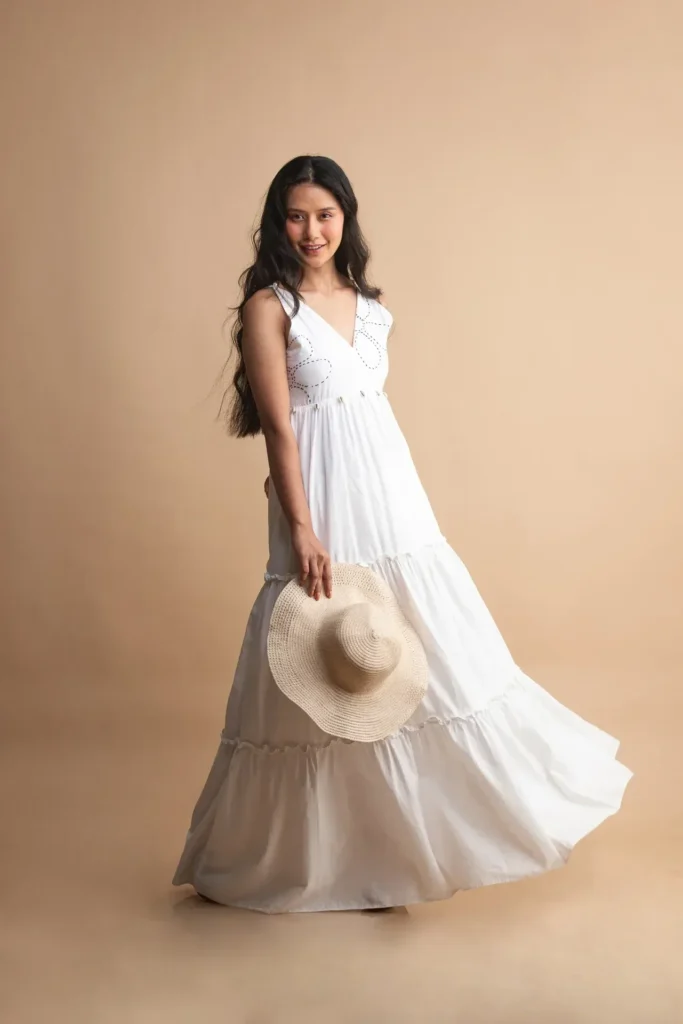
01 — Muji: Minimalism That Sells Millions
Muji’s name translates as ‘no-brand quality goods’. Their entire philosophy rests on one conviction: the best object disappears into your life. For Muji, sourcing organic khadi cotton fabric and linen fabric from India is not just a supply chain decision — it is also a psychological & philosophical alignment that focuses on craft that disappears into our lives without knowing. The same cotton fabric for clothing that Muji trusts is available to order directly from Kolkata at the source price. In 2026, legacy & heritage sourcing is the new prestige.
02 — Eriko Yamaguchi: Turned Ethics into Design Power
Japanese designer and ethical fashion advocate Eriko Yamaguchi treats the supply chain as part of the design itself, as she believes design holds a lot of power. Her engagement with Svarna’s sustainable fabric manufacturers in India reflects a shared conviction: that fair-trade textiles are not an add-on but the foundation she wants her brand to be built on to be a legacy. For the South Asian diaspora — Bengali, Gujarati, Punjabi, Tamil, Sindhi, Marathi and Nepali buyers in London, Toronto, Dubai and Sydney — this lineage is not just beautiful. It is an added competitive advantage.
▶️Walk through our experience at the International Apparel & Textile Fair in Dubai
The Fabric That Thinks: Svarna’s Material Intelligence in 2026
03 — Issey Miyake: Where Designs Feel Like Architecture
Issey Miyake treats the body as architecture — and demands cloth that responds to movement with lived intelligence. Svarna’s speciality weaves, resist dyeing, and ikat-adjacent constructions offer a drape and surface behaviour that no industrial linen manufacturer in India can replicate at scale. Muga silk fabric — the rare golden fibre exclusive to Assam — and Ladakhi Pashmina, hand-combed from mountain goats above 10,000 feet, are materials that are ancient and are also contemporary, which is essential for global brands that are upcoming. These are the clothes that define Svarna’s position among the finest silk manufacturers in India.
“The cloth is never a background. At Svarna, every thread, every irregularity, every breath of the weaver is encoded in the textile.”
—SVARNA TEXTILES, KOLKATA · EST. 2000
In 2026, searches around ‘handwoven linen fabric India’, ‘organic khadi cotton fabric’, ‘sustainable fabric suppliers‘, and ‘cotton fabric exporter’ have seen remarkable year-on-year growth. The aesthetic now has a name — Indian minimalism — and Svarna sits at its precise centre. See why luxury brands are making the shift: Hand-Spun vs. Machine-Made: Why Luxury Brands Choose Khadi for 2026 →
A note on scarcity: Handwoven fabric cannot be scaled like industrial cloth. Svarna’s most sought-after runs — Muga silk, fine Pashmina and natural-resist-dyed linens are finite. Designers who move early tend to get hands-on and secure the cloth. Designers who wait often don’t.
What the World is saying About Japanese Brands & Indian Khadi in 2026
Why MUJI Is Turning to Indian Handwoven Fabrics
Organic khadi cotton fabric carries natural irregularities, breathability, and a drape that improves with age – qualities no machine-made cotton fabric for clothing can replicate. That is precisely why Muji keeps coming back to Kolkata.
How Eriko Yamaguchi Avoids the Greenwashing Trap
Her partnership with sustainable fabric manufacturers in India, like Svarna, means every metre is traceable to a named weaver in a fair trade cooperative — a fully auditable supply chain, not a marketing claim.
The Fabric Once Reserved for Issey Miyake Is Now Open
The same handmade textile products — linen fabric, Muga silk fabric, and resist-dyed weaves — trusted by Issey Miyake’s atelier are available directly from Svarna at source price, with flexible minimums and a $20 swatch book to start.
The Quiet Revolution Is Already Happening—Did You Notice?
That Muji, Eriko Yamaguchi, and Issey Miyake all found their way to a loom in Kolkata is not a coincidence. It is a convergence of worldviews – where sustainable fabric suppliers, fair trade production, and the material honesty that the world’s most considered fashion minds have been chasing for decades all point to the same place.
Svarna is not a trend.Svarna is what trends, at their most aspirational, are trying to become. The question is whether you’ll discover it now — or wish you had.
✶ Begin with the Cloth ✶
→ Order a Swatch Book — Cotton & Linen or Silk — $20
→ Request a Custom Fabric Quote— export@svarna.com
→ Explore the Full Fabric Range — svarna.com/fabrics-and-textiles
Handcrafted. Exclusive. Transformative. —svarna.com
FAQs
Q: What is the best cotton fabric in India for luxury fashion?
Ans: Hand-spun organic khadi cotton fabric from certified khadi fabric manufacturers in India, like Svarna – traceable, fair trade, and used by Muji and Issey Miyake.
Q: Does Svarna export linen and silk internationally?
Ans: Yes — Svarna is a trusted cotton fabric exporter, linen fabric manufacturer in India, and silk manufacturer supplying Japan, Europe, the US, and the UAE for 26 years.
Q: How do I order sustainable fabric samples from Svarna?
Ans: Order a $20 swatch book at svarna.com or email export@svarna.com for a custom quote from one of India’s leading sustainable fabric suppliers.