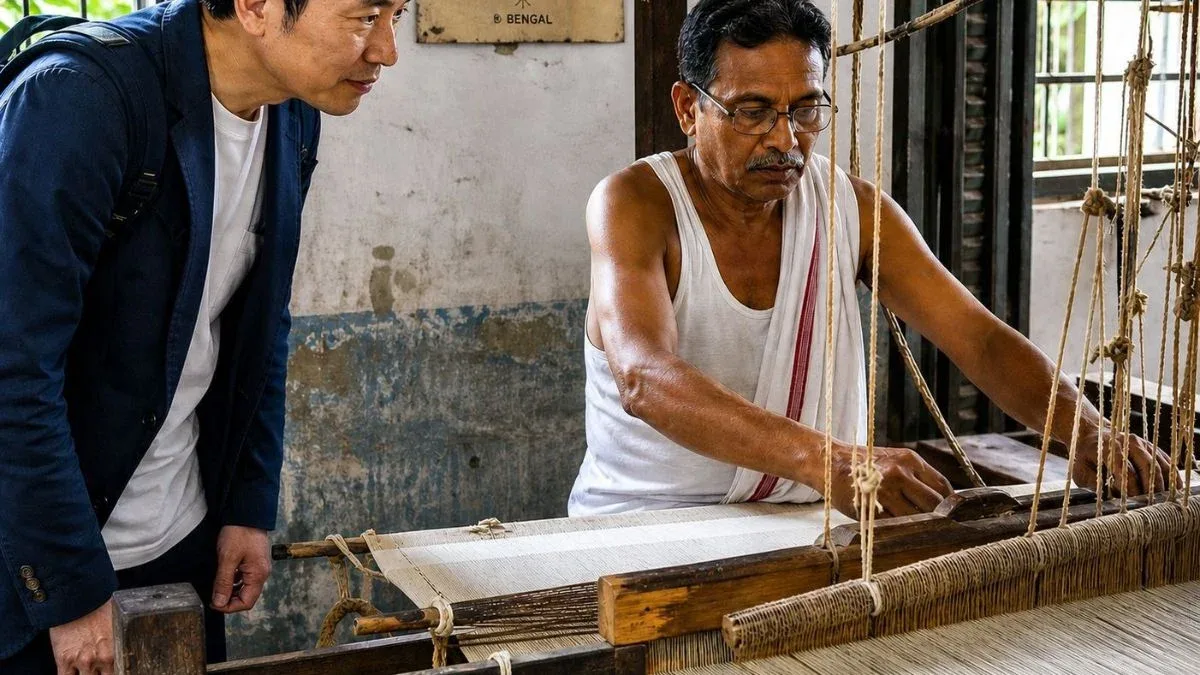
In a world where everyone is trying to turn away from fast-fashion, a quiet textile revolution based on weaving & threading its way from handloom studios of West Bengal to Japanese storefronts in front of Tokyo.Organic khadi cotton fabric — once a symbol of India’s independence movement — is now finding its most devoted admirers in Japan’s thriving slow fashion scene. The blend between Indian artisans and Japanese designs has helped in creating a textile bridge that helps in celebrating sustainability, extraordinary and sustainable craft. For brands like Svarna, Kolkata’s celebrated fabric manufacturer and exporter since 2000, this connection is both deeply personal and commercially transformative.
Why Japanese Designers Are Choosing Indian Khadi Over Conventional Cotton
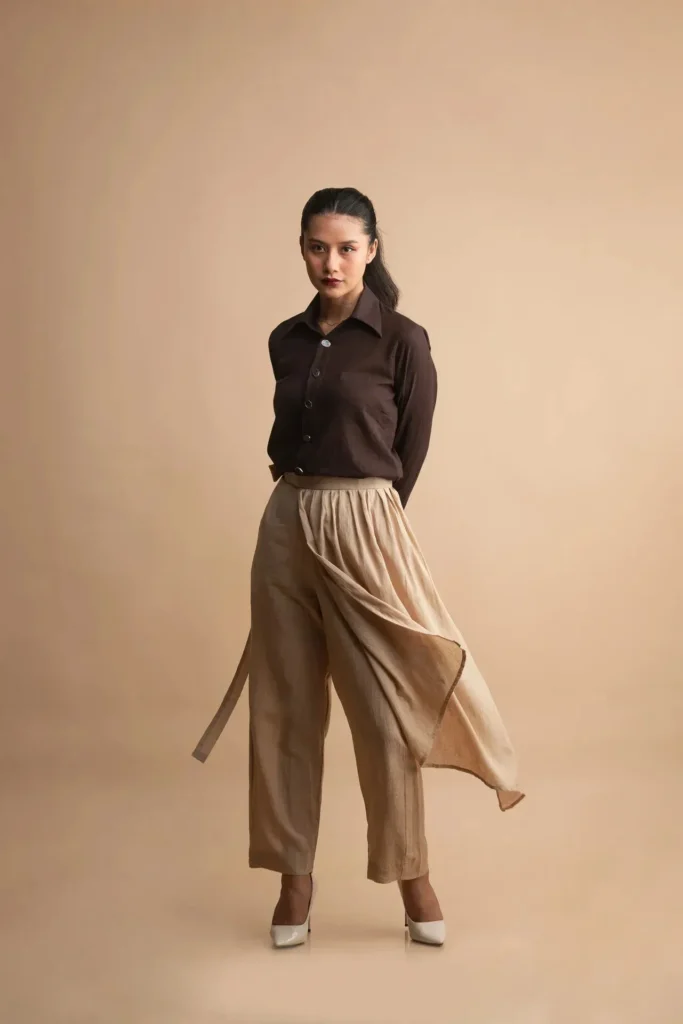
Japan’s fashion industry has long championed the philosophy of mono not aware — the gentle appreciation of transience and imperfection. It is no surprise that Khadi’s nature of irregular weaving, which showcases organic breath and its story behind those textures of weaving that has richness of dyes and no synthetics, depicts the powerful Japanese aesthetics. Brands such as Muji, Jurgen Lehl, Issey Miyake, and Tomorrowland — all of which partner with Svarna — have long recognised that the best cotton fabric in India is not found in factories but in the hands of skilled artisans.
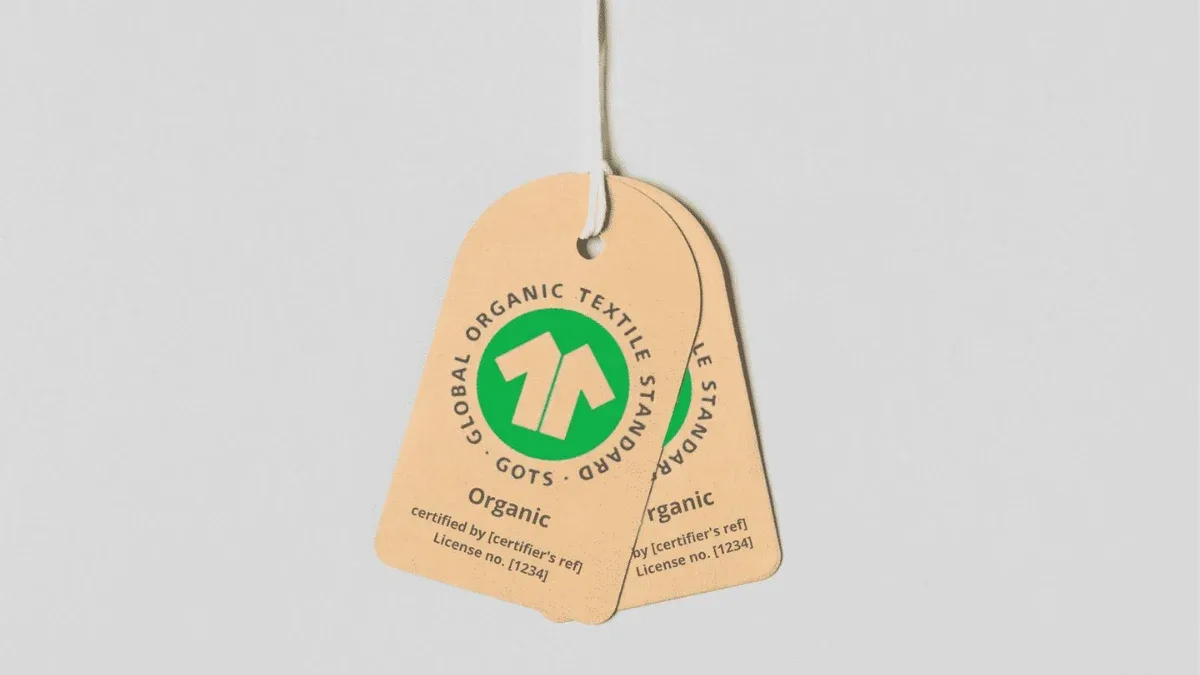
Khadi is built through hand-spinning technique, which helps it give a unique texture as compared to machine looms, which simply cannot compare to this natural texture. Each metre here breathes and also ages in a beautiful manner, and is footprinted by carbon which shows its sustainable nature of the fabric choices that are available at all times globally. For the Japanese consumer who reads every label and researches every supply chain, sourcing from a verified khadi fabric manufacturer in India like Svarna — a GOTS-certified, fair trade operation — is not a compromise. It is a deliberate, values-driven choice.
Explore our complete GOTS Khadi guide to understand why certification matters.
Is Khadi Cotton Better Than Regular Cotton for Sensitive Skin and Sustainability?
This is one of the most frequently asked questions across sustainable fashion communities — and the answer is a resounding yes, with nuance. Organic khadi cotton fabric is grown without any kind of chemicals or synthetics and weaved naturally with dyes that have zero energy or electricity consumption of any sort. The resulting fabric is a fabric that has neutral pH and is also hypoallergenic which means it is not sensitive to skin as compared to chemically processed cotton in industries.
Japanese buyers, out of which many of them deal with sensitivity issues due to synthetics present, are particularly looking for such a kind of khadi quality which is made out of the best quality cotton. Svarna’s handmade textile collection includes mostly unbleached, naturally dyed processed looms that follow the strictest international skin safety guidelines, keeping in mind the Japanese buyers. From a sustainability standpoint, khadi production is almost entirely powered by human hands — making it one of the lowest-impact textiles on the planet. If you’re researching the best cotton fabric in India for ethical sourcing, khadi is categorically in a league of its own.
See on Instagram: Watch Svarna’s Khadi Weaving Process in Action
Where Can I Find Reliable Khadi Fabric Manufacturers in India That Export to Japan?
This question surfaces repeatedly on Quora threads dedicated to sustainable fashion sourcing, and for good reason — the global demand for authentic, export-grade khadi is growing faster than many manufacturers can fulfill. The answer for Japanese buyers and international designers alike consistently points to cotton fabric exporters based in West Bengal and Gujarat, where the khadi tradition is most deeply rooted.
Svarna, based in Kolkata, has been manufacturing and exporting exclusive hand-woven fabrics since 2000. With 24 years of experience serving top global fashion houses — including Japanese labels — Svarna offers verified sustainable fabric manufacturing from India with GOTS certification, fair trade compliance, and a rigorous quality control process on every product.
Browse the full fabric and textile range or request a swatch book — Cotton & Linen or Silk — at just $20 to begin your sourcing journey with confidence.
The Role of Muga Silk and Linen in Japan’s Slow Fashion Movement
While khadi leads the conversation, Japan’s slow fashion editors have equally embraced India’s other extraordinary natural textiles. Muga silk fabric — the rarest naturally golden silk found exclusively in Assam — has become a quiet obsession among Japanese luxury labels seeking materials that cannot be counterfeited by industrial production. Svarna, whose very name is Sanskrit for ‘Golden’ in homage to Muga, is one of India’s foremost silk manufacturers in India offering this extraordinary fibre to the global market.
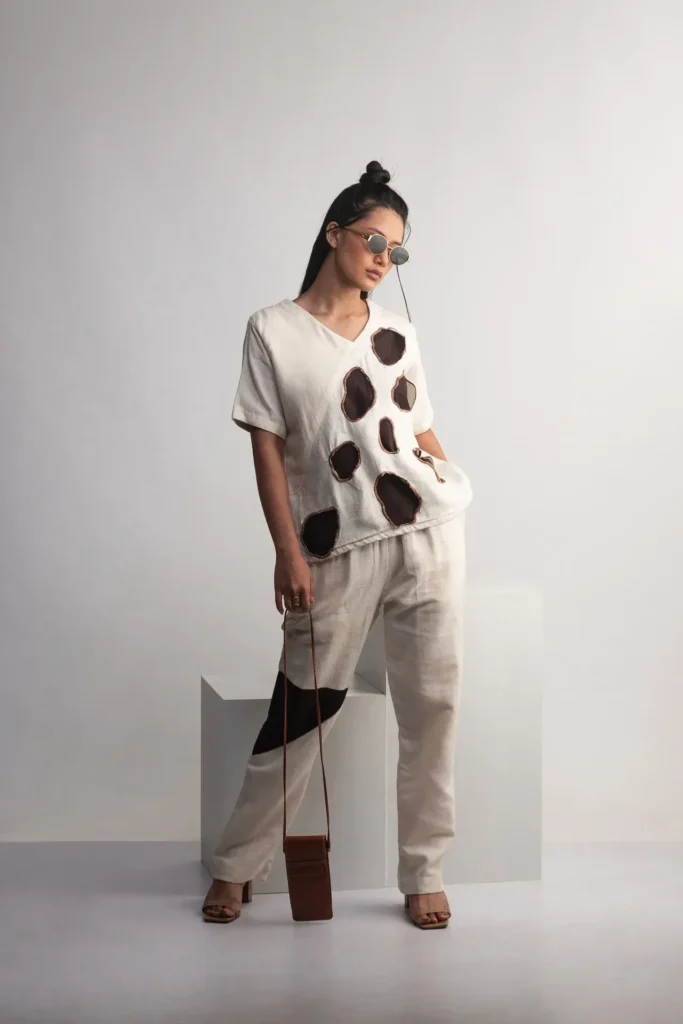
Linen, too, plays a central role. Japanese designers working in the wabi-sabi tradition — finding beauty in the natural, raw, and unfinished — find that Indian hand-woven linen fabric carries exactly the right weight, drape, and organic character. As one of the leading linen fabric manufacturers in India, Svarna weaves linen with the same artisan-first approach applied to all its textiles.
Read our complete guide to linen manufacturers in India to understand why handloom linen from India is now competing on the world’s most discerning design floors.
What Is Muga Silk and Why Is It More Expensive Than Regular Silk?
Muga silk has been arguably the world’s most natural fibre that has been exclusive, yet it remains unknown to the world outside the fashion circles. Found only in Assam, India, Muga is produced by the Antheraea assamensis silkworm, which feeds exclusively on som and sualu trees. Its natural golden hue — which deepens rather than fades with each wash — cannot be replicated synthetically. This makes Muga silk fabric the costliest fibre in the world by weight, even surpassing cashmere in some markets.
For Japanese designers like Eriko Yamaguchi and labels under the Stylem Co. umbrella — both of whom work with Svarna — Muga’s story-driven exclusivity is a key design asset. In a market where consumers research every material decision, being able to say a garment is made from certified Indian Muga silk sourced from a named artisan cooperative is a powerful brand differentiator. Explore Svarna’s Muga and Wild Silks collection to begin your discovery of the world’s rarest silk.
See on Instagram: See Svarna’s Muga Silk Textiles on Instagram
Is Indian Handloom Linen Worth Buying Over European Linen?
European linen — particularly Belgian and Irish — has long dominated the premium linen market. Moreover, new slow fashion buyers have been asking these questions with openness and have been seeing an increased demand of Indian handloom linen for specific cases of use. The critical difference that has been underlying in this process involves European linen which has been formed due to machine-woven process, while in India, the linen manufacturers— particularly those in West Bengal — produce fabric on handlooms, creating a softer, more irregular weave with greater breathability.
For Japanese consumers who prioritise natural texture and artisan provenance over uniformity, Indian handloom linen is frequently preferred. It also carries a dramatically lower carbon footprint. Svarna’s linen range, developed over two decades of fair-trade production, combines the raw character of handloom weaving with export-grade consistency — which is why it appeals to Japanese brands seeking both sustainable fabric manufacturing from India and reliable quality at scale. For an in-depth sourcing guide, read how to buy India’s handmade textiles.
Conclusion: A Thread That Connects Two World
The journey of Indian khadi from freedom struggle to Tokyo fashion week is one of fashion’s most compelling untold stories. It speaks to the enduring power of slow, intentional craft in a world addicted to speed. For Japanese designers seeking integrity in every stitch — and for global buyers wanting fabric with both soul and supply-chain transparency — India’s handloom tradition, expertly brought to market by Svarna since 2000, offers an answer that no synthetic alternative ever could. Order your swatch book today and feel the difference for yourself.
Frequently Asked Questions
Q: What makes khadi the best cotton fabric in India for sustainable fashion?
A: Khadi is hand-spun, hand-woven, chemical-free, and powered entirely by human hands — making it the lowest-impact, most ethical cotton fabric available.
Q: Do khadi fabric manufacturers in India export to Japan and other international markets?
A: Yes — Svarna, based in Kolkata, has been exporting GOTS-certified, fair-trade handwoven khadi and silk fabrics to top Japanese fashion labels since 2000.
Q: Is Muga silk from India available for small-batch or designer orders?
A: Absolutely — Svarna offers fully customisable Muga silk orders with swatch books available at $20, ideal for designers exploring this rare golden fibre.