Sustainability is no longer a marketing decision today. It is a responsibility that influences the way brands are constructed, the way products are sourced, and the way value is created in the long run. In this changing landscape, handmade textiles are emerging as one of the most credible routes to zero-carbon production. Rooted in tradition but in line with modern ESG goals, these fabrics are the best of both worlds: environmentally sensitive, socially responsible and long-term economic sense.
From raw fibre to finished cloth, they provide an interesting answer to the question of how and why fashion could become truly regenerative.
Handmade Textiles: From Craft to Climate Consciousness
Handmade textiles are on a different logic altogether from industrial manufacturing. They make use of human skill, little energy use, and local ecosystems instead of power-heavy machinery. This makes them naturally aligned and in line with low-emission production models.
When compared to large-scale mills, hand processes greatly reduce the use of electricity, water and chemicals discharged in the process. The result is a fabric with a near-zero carbon footprint that can still meet the aesthetic and performance demands of the world’s markets. This is where heritage craft becomes a climate solution, quietly.
Exploring Lower-Impact Textile Solutions?
Discover how handmade production models align with modern ESG priorities.
Why Natural Fibres Matter More Than Ever
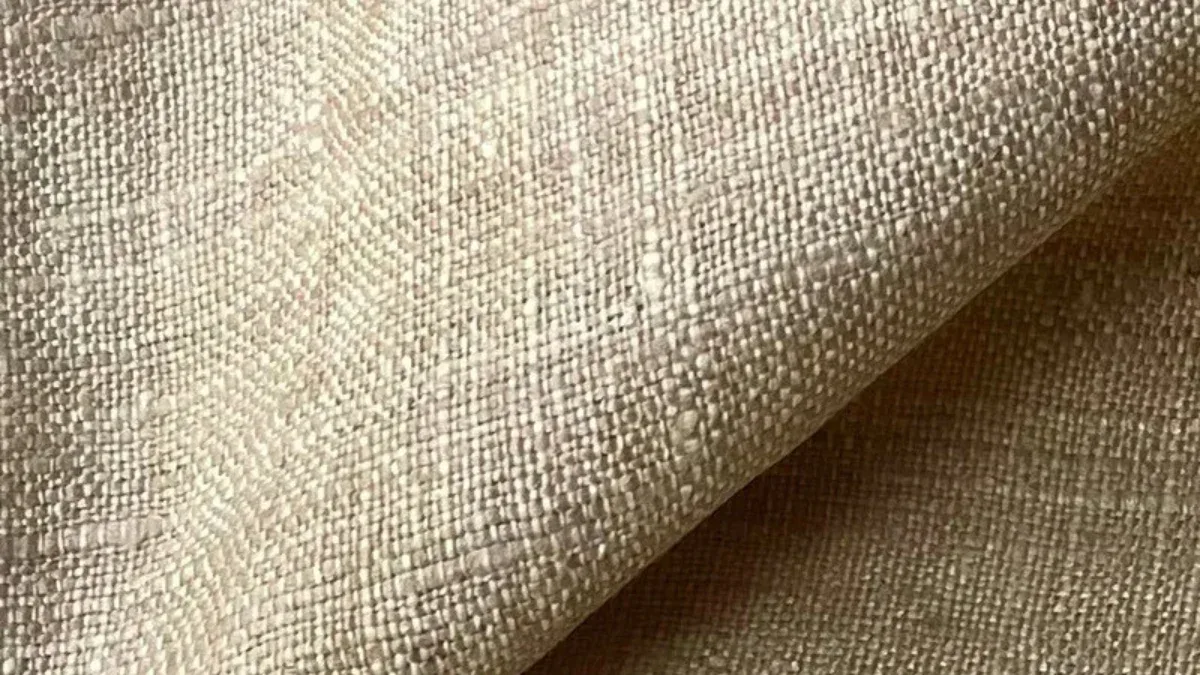
The basis for sustainability in textiles is fibre selection. Natural fabrics for clothing, such as cotton and linen, are safe to decompose, they breathe better and have a good life span. When grown responsibly, they will enhance the health of the soil, ecosystem and biodiversity rather than degrading it.
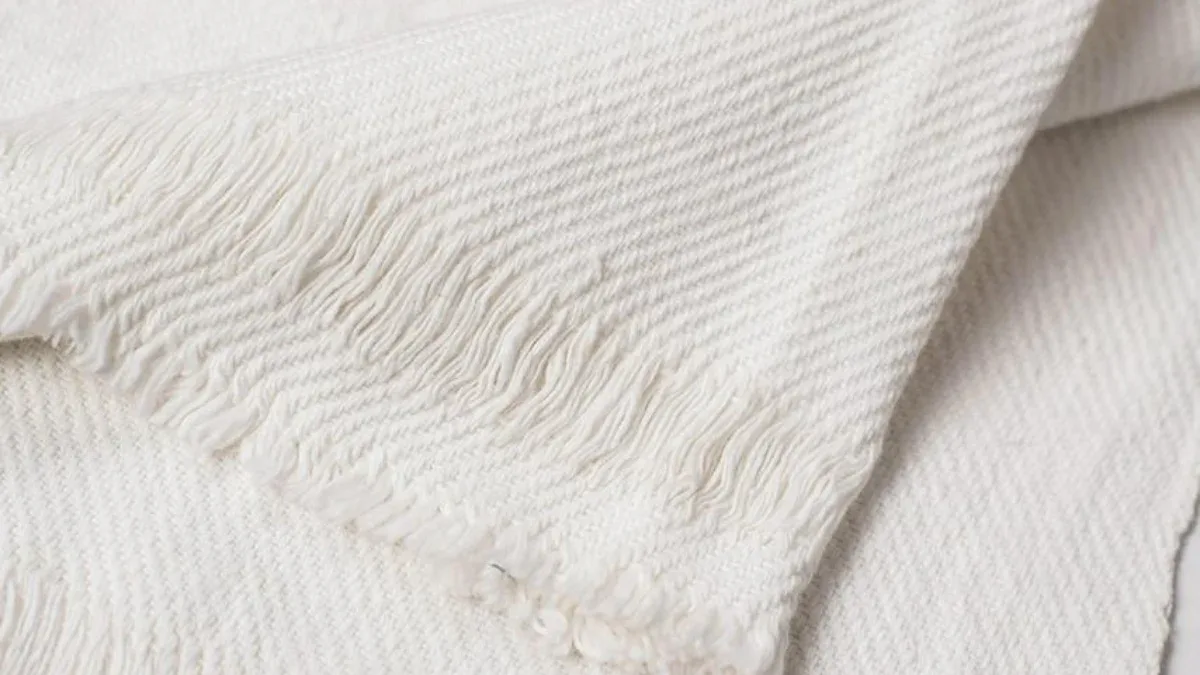
Organic cotton woven fabric is made without harmful pesticides or synthetic fertilisers, which makes for cleaner water systems and healthier farming communities.
Linen is made from flax, which requires less water to produce, and it can flourish in many different climates, making linen a material of choice for environmentally responsible collections.
Looking for responsible natural textiles?
Transparency as an ESG Advantage
Environmental responsibility, however, is not sufficient. ESG frameworks require social and governance parameters accountability as well. Handmade textiles create inherent transparency in the supply chains due to decentralised and traceable production.
Brands that collaborate with organic fabrics manufacturers are in a better position to provide documentation of ethical sourcing, fair wages and community engagement. This level of clarity enhances ESG reporting whilst engendering trust with stakeholders who are increasingly on the lookout for ways in which, and where, products are made.
The Social Impact of Handmade Textiles
Behind every handwoven fabric is an artisan whose livelihood relies on skill passed down through generations. Handmade textiles support rural economies, preserve cultural knowledge and create dignified employment, which is not under migration pressure. This social dimension is an effective ESG differentiator.
By supporting artisan-led production, brands take their part in inclusive growth. It turns sustainability from a compliance metric to an emotional human story that resonates across markets.
India’s Role in the Sustainable Fabric Movement
As a fabric manufacturer in India, the country holds an important role in the global textile ecosystem. With centuries of weaving traditions and the availability of different natural fibres, India has emerged as a key centre of operations for sustainable fabric manufacturers. From small clusters of weaving to export-oriented units, the producers are blending the age-old techniques with modern quality standards. Organic linen fabric suppliers and cotton specialists are showing that the scales and sustainability need not run counter to each other.
Seeking ESG-Aligned Fabric Partners?
Connect with textile producers committed to low-impact manufacturing and artisan empowerment.
Consumer Value Beyond Sustainability
Modern consumers are becoming more aware of what they wear and what is the purpose of it. Handmade textiles bring with them a tactile richness, individuality and authenticity that cannot be replicated in mass-produced fabrics.
Garments made with responsibly sourced fibres have an emotional value as well as a functional one. This connection boosts loyalty and identifies brands as thoughtful leaders and not trend followers.
Zero-carbon textiles are not an abstract goal of the future. They already exist in the form of handmade fabrics influenced by people, nature and time. By adopting traditional processes and ethical sourcing, the textile industry can make profits and make the world a better place. Handmade textiles are a rare example of an intersection where environmental responsibility, social equity and commercial relevance fit together naturally.
In this changing scenario, Svarna is a model of how craftsmanship and sustainability can go hand in hand. Based in India, Svarna is a brand focusing on handwoven fabrics, with a profound respect for artisans, natural fibres and responsible fabric creation. Through its commitment to quality and conscious manufacturing, it continues to support a textile ecosystem where heritage and ESG values sit and work together seamlessly.
Build Collections with Purpose
Partner with a textile brand where craftsmanship and ESG values move together.
FAQs
1. Why are handmade textiles considered sustainable?
They use low-energy processes and natural fabrics for clothing, resulting in minimal environmental impact.
2. How do sustainable fabric manufacturers support ESG goals?
They ensure ethical sourcing, transparency, and reduced emissions through organic fabrics manufacturers and artisan-led production.
3. What role does India play in organic fabric production?
As a fabric manufacturer in India, it leads in organic cotton woven fabric and organic linen fabric suppliers for global markets.