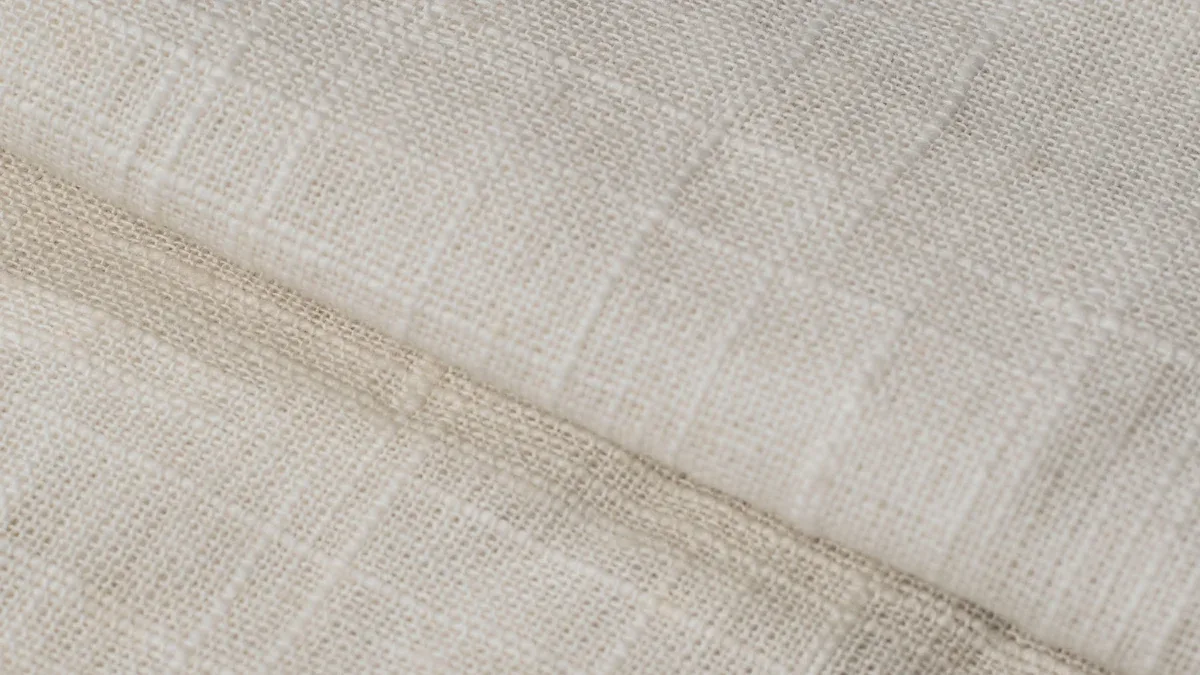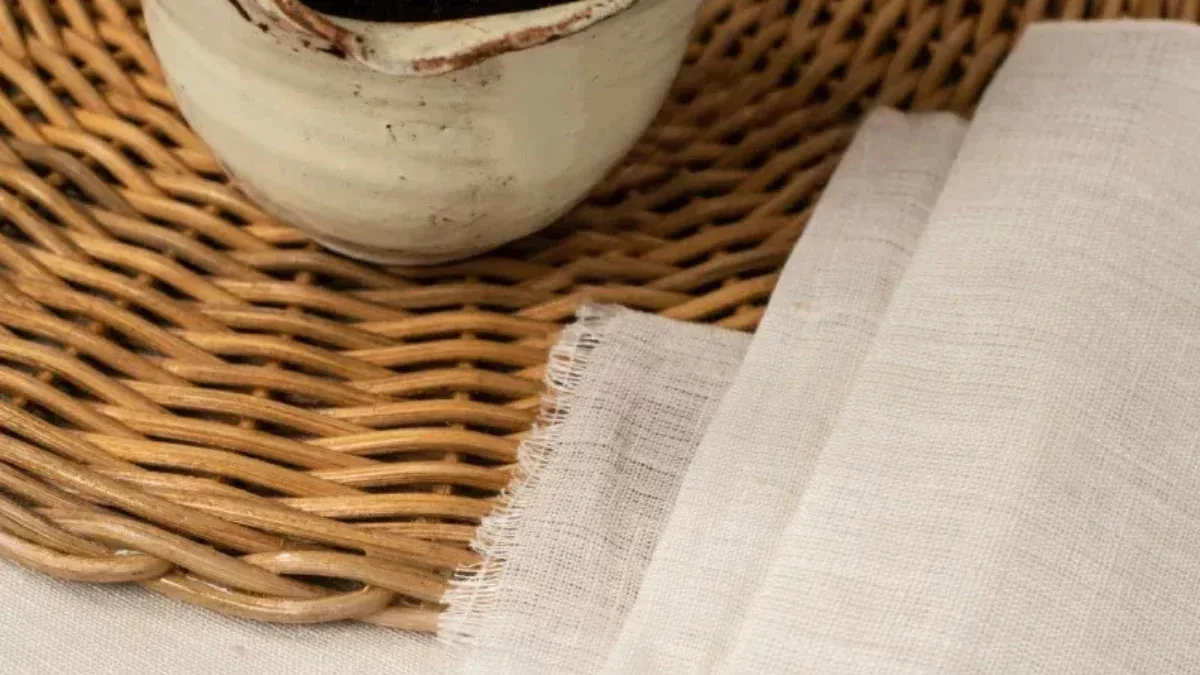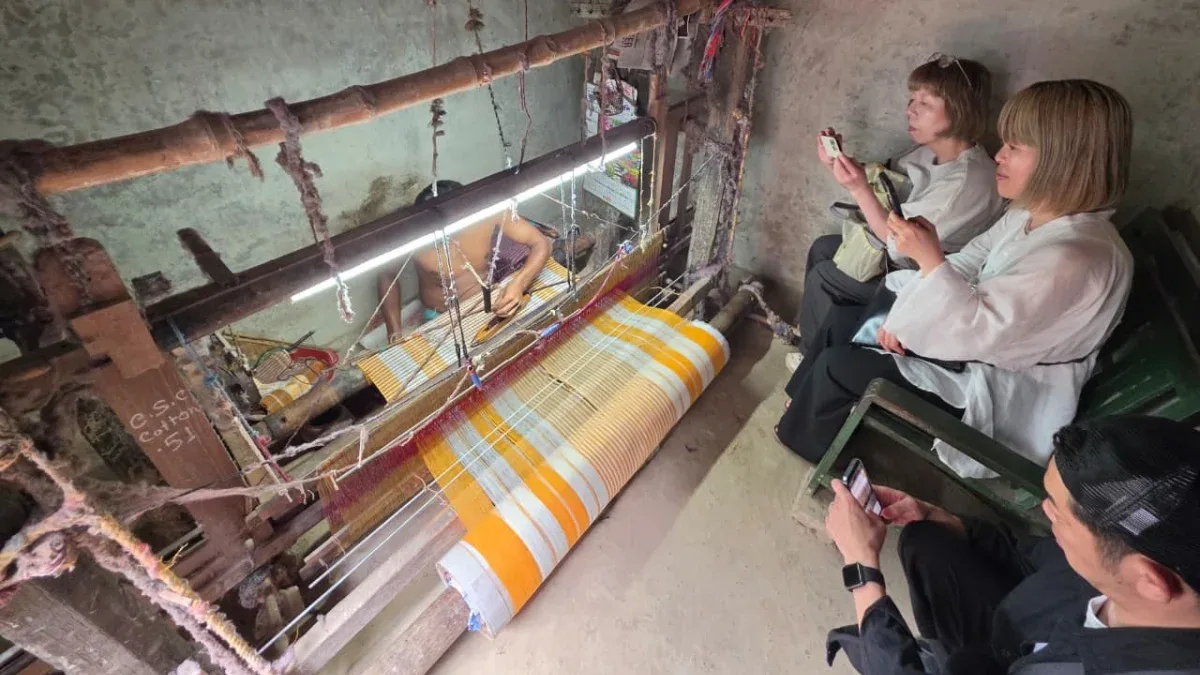
Organic khadi cotton fabric, hand-spun in rural Bengal, and Japan’s rigorous mottainai (zero-waste) philosophy share one conviction: nothing should be wasted. As circular fashion gains regulatory momentum in Japan and across global markets, India’s ancient weaving heritage is emerging as its most credible supplier.Brands like Svarna are proving that handmade textile products rooted in craft ethics meet the world’s most demanding sustainability benchmarks — not by adapting to them, but by having embodied them for centuries.
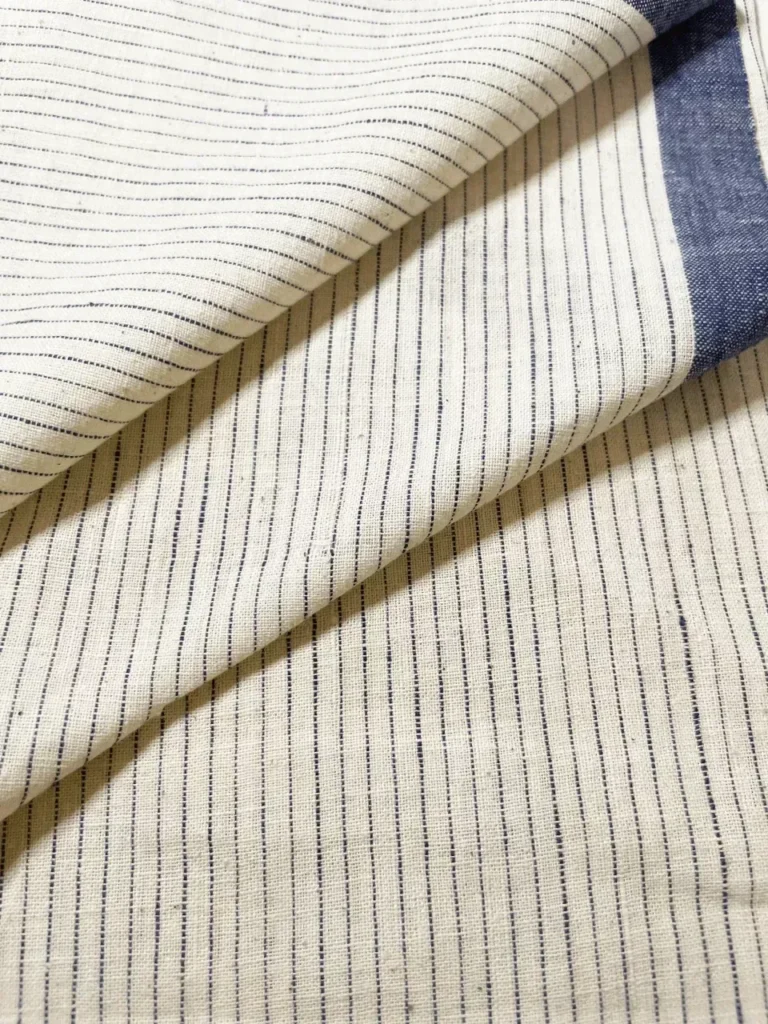
How Indian Weaving Traditions Naturally Embody Zero-Waste Values
Long before “sustainability” became a marketing term, Indian weavers practised it instinctively. Every thread was valued, every loom optimised, and every off-cut repurposed into floor mats or stuffing. Sustainable fabric manufacturers in India have inherited centuries of resource-conscious craft, making them natural partners for Japan’s circular economy agenda. Japanese fashion buyers increasingly seek sustainable fabric suppliers whose eco-ethics are embedded in the process — not just labelling.
The Zero-Waste Philosophy Behind Khadi and Handloom Weaving
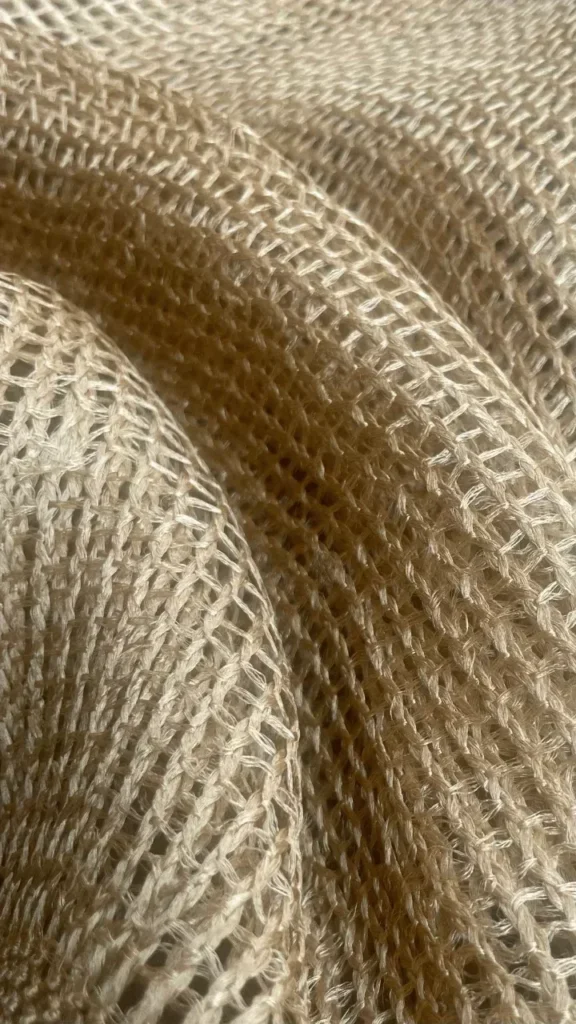
- Khadi fabric is hand-spun and hand-woven, producing near-zero industrial waste — no factory emissions, no mass off-cuts, no synthetic sizing agents.
- Khadi fabric manufacturers in India use plant-based natural dyes, eliminating toxic chemical runoff from dyeing processes entirely.
- The best cotton fabric in India from handloom clusters is fully biodegradable end-to-end, supporting circular fashion’s core demand: materials that re-enter nature safely.
- Cotton fabric for clothing sourced from certified handloom cooperatives carries verified provenance that mass-market eco-labels cannot match.
- 📸 See it in action: Watch our weavers spin 100% Khadi cotton for everyday wear on Instagram — a living demonstration of zero-waste craft.
Muga Silk and Speciality Fibres: India’s Circular Advantage
- Muga silk fabric, indigenous to Assam, is entirely natural and produced without synthetic intervention — a circular fibre by origin, not certification.
- Silk manufacturers in India working with muga and tussar varieties produce biodegradable textiles that decompose without microplastic pollution — a critical criterion for Japan’s 2030 circular targets.
- Every silk manufacturer community practises generational knowledge transfer, keeping production hyper-local and wastage structurally minimal.
- Japanese circular brands now specifically source muga silk fabric for its rarity, durability, and full biodegradability — three criteria that sit at the heart of Japan’s circular fashion roadmap.
- Explore how Svarna validates these fibres at global quality standards: Global Grade Fabric Quality.
What Conscious Buyers and Industry Professionals Are Asking
Across Reddit’s r/sustainablefashion and Quora’s textile threads, two questions consistently dominate discussions about Indian weaving and global circular fashion goals.
“Is Indian Handloom Fabric Actually More Eco-Friendly Than Conventional Cotton?”
- Organic khadi cotton fabric uses 60–70% less water than conventional cotton, with zero mechanical energy in spinning — an environmental profile no industrial fibre matches.
- Textile manufacturers in India operating under handloom certifications comply with GOTS and OEKO-TEX standards, increasingly recognised by Japanese and European circular importers.
- A linen fabric manufacturer in India similarly offers low-water, fully biodegradable alternatives that complement khadi beautifully in circular capsule wardrobes.
- Linen manufacturers in India have scaled quality controls to meet ISO standards, removing the historic barrier between village looms and global buyers.
- 📸 Our weavers craft khadi perfect for home textiles: Watch the spinning process on Instagram.
- Read the full sustainability credentials: Sustainable Handmade Textile Products.
“Can Small Indian Weavers Compete as Cotton Fabric Exporters in Premium Global Markets?”
- Yes — cotton fabric exporter collectives supported by India’s handloom boards now ship directly to Japanese and European circular fashion brands with full traceability documentation.
- Sustainable fabric manufacturers in India operating as cooperatives offer the supply-chain transparency that premium circular markets actively require and reward.
- Handmade textile products from Indian artisan clusters appear in Japanese concept stores explicitly positioned as circular-economy goods — a commercial validation of traditional craft at scale.
- Discover how Svarna is redefining luxury at this intersection: Khadi Luxury Fashion 2026.
Conclusion
The zero-waste values woven into India’s khadi fabric, muga silk fabric, and handmade textile products are not modern adaptations — they are the original blueprint. As Japan’s circular fashion standards grow more stringent, sustainable fabric suppliers and textile manufacturers in India who honour traditional craft are best positioned to lead. Svarna stands at this precise intersection: connecting ancient Indian loom wisdom with the world’s most forward-thinking sustainability agenda, one conscious thread at a time.
FAQs
Q: What makes organic khadi cotton fabric different from regular cotton?
Ans: It is hand-spun, hand-woven, and produced with minimal water, zero industrial machinery, and no synthetic chemicals.
Q: Can Indian silk manufacturers meet Japanese circular fashion certification requirements?
Ans: Yes, muga silk fabric is fully biodegradable and increasingly OEKO-TEX certified for international circular markets.
Q: Are linen manufacturers in India equipped for export-scale sustainable production? Ans: Yes — many hold ISO and GOTS certifications, enabling direct supply to premium global buyers.