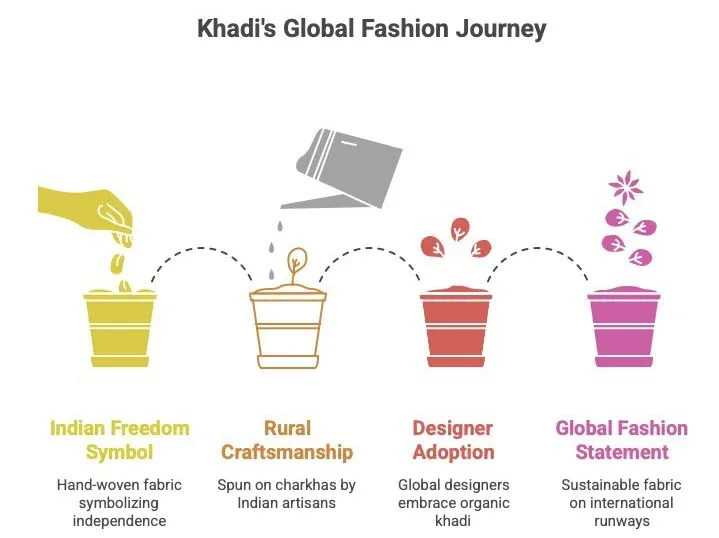
Khadi has been no longer just a symbol that represents freedom of India’s struggle but also now a part of the global fashion statement pieces. Once spun on the charkhas in the rural areas of Bengal as well as Gujarat by artisans this hand-woven fabric has paved its way to the international runaways. The runways span from Milan to the cities of Tokyo. Designers from every part of the globe have been turning to organic khadi cotton fabric as an alternative in comparison to textiles that are produced in bulk. Moreover, as sustainability starts to shape how the world has started to dress, khadi now stands on the cross-road in regards to tradition on one side and innovation on the other, which carries fingerprints of thousands of skillful Indian talented artisans.
Why Is Khadi Considered the Best Cotton Fabric in India?
India’s textile legacy does not come to any comparisons to other textiles, which comprises all its woven treasures, out of which Khadi always stands out and holds a unique place. The khadi fabric ethnicity lies in its making which comprises spinning and woven techniques in the charkha wheels, making every yarn distinctively unique. However, many designers, critics and buyers have been calling “Khadi” the “Best cotton fabric in India” and that too for all the right reasons. The open weaving technique of khadi helps the body keep cool in summer and trap heat in winters. Whereas, mill-made cotton, khadi usually tends to breathe in regards to the body. The nature of composition of light-weight, chemical free, biodegradable and low impact helps in defining the qualities that are responsible for outcomes in the fashion world in recent times. Beyond its function, Khadi narrates a story about its every thread in a distinctive manner.
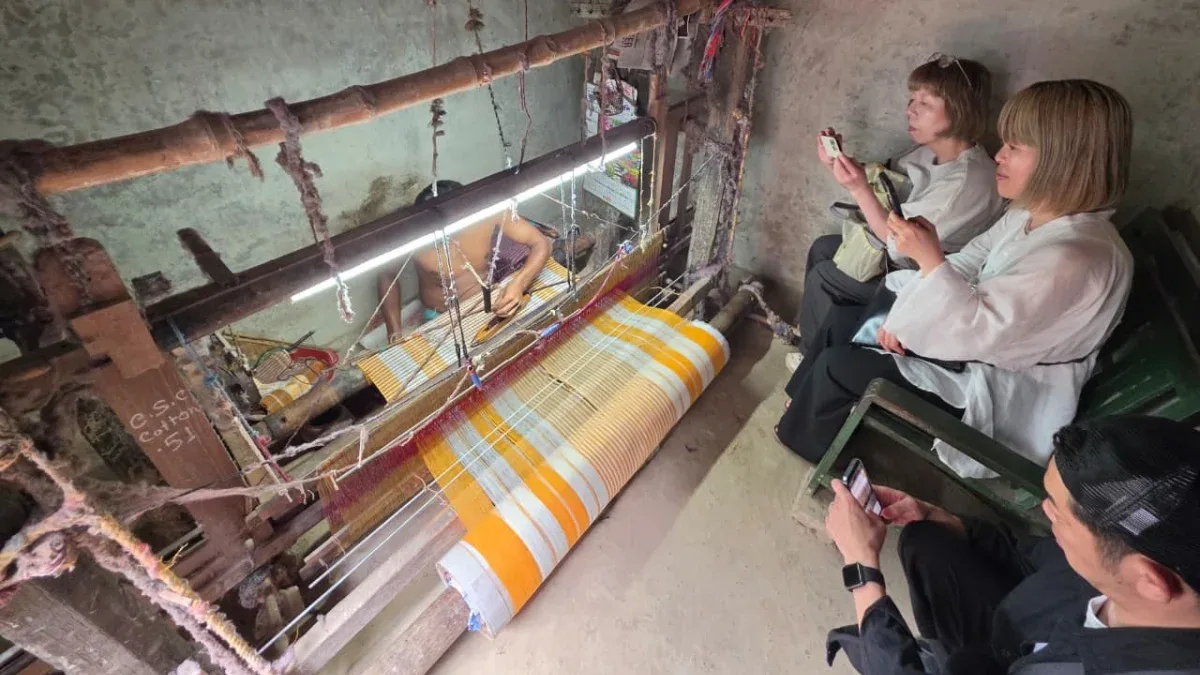
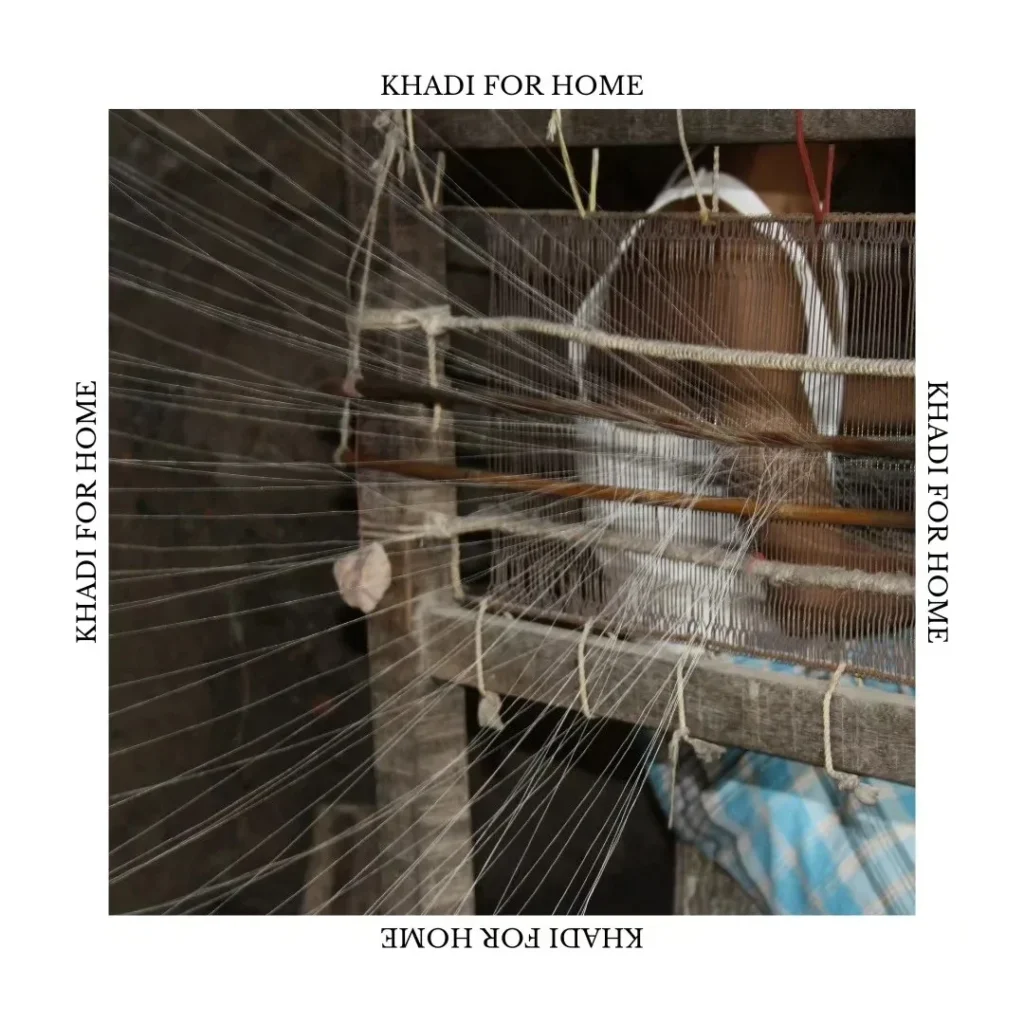
Watch how khadi comes to life on the loom: Svarna’s Khadi Process on Instagram
What Makes Khadi Different from Regular Cotton?
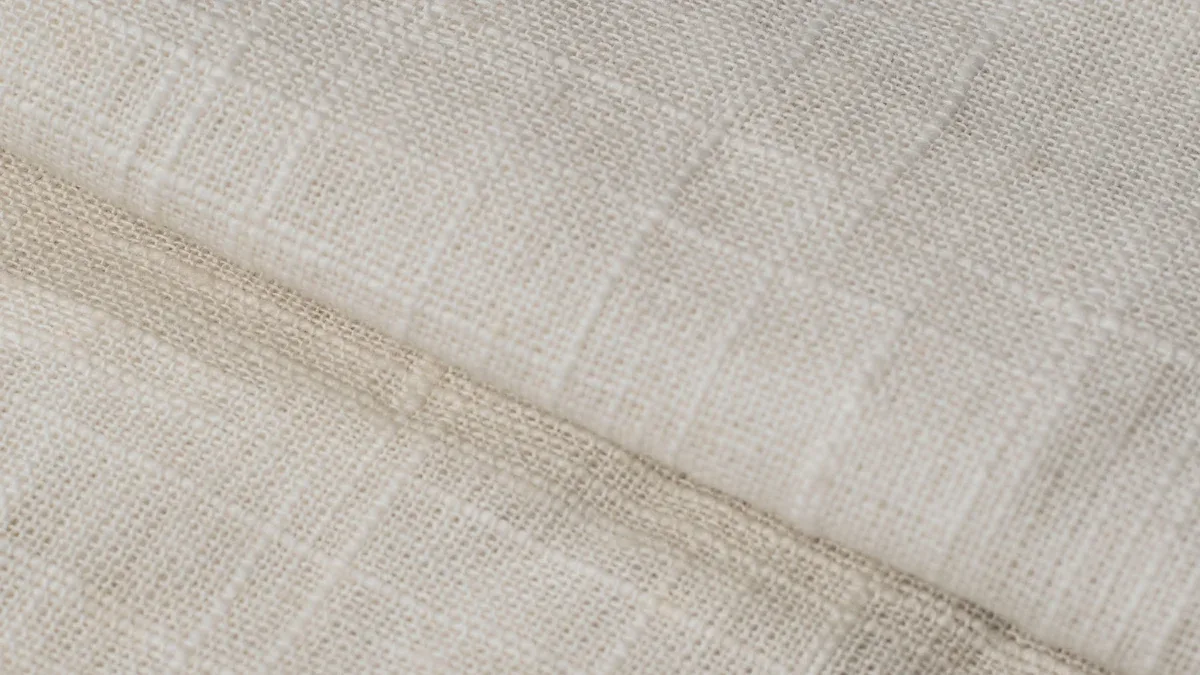
This has been one of the most asked questions among consumers and buyers, the answer tends to surprise most of the people on fabric forums. It has been seen that the Regular cotton is machine-spunned which is why its threads are uniform and also has a finish which is synthetic in nature. On the other hand, khadi is made by hand-spinning on charkha wheels, or pit looms, which helps it to attain an irregular surface or texture, which is entirely natural. The slight roughness is not a flaw , it is actually the identity of the fabric.
Khadi absorbs natural dyes better, making it ideal for sustainable dyeing processes. It is also significantly more durable per wash cycle compared to standard cotton. The organic khadi cotton fabric produced by certified khadi fabric manufacturers in India undergoes no harmful bleaching, which makes it gentler on both skin and the environment. For conscious shoppers — and increasingly, for Japanese and European luxury buyers — this is exactly the kind of provenance that matters.
Related Reading: Understanding Weave Types — Svarna
How Khadi Fabric Manufacturers in India Are Shaping Global Fashion
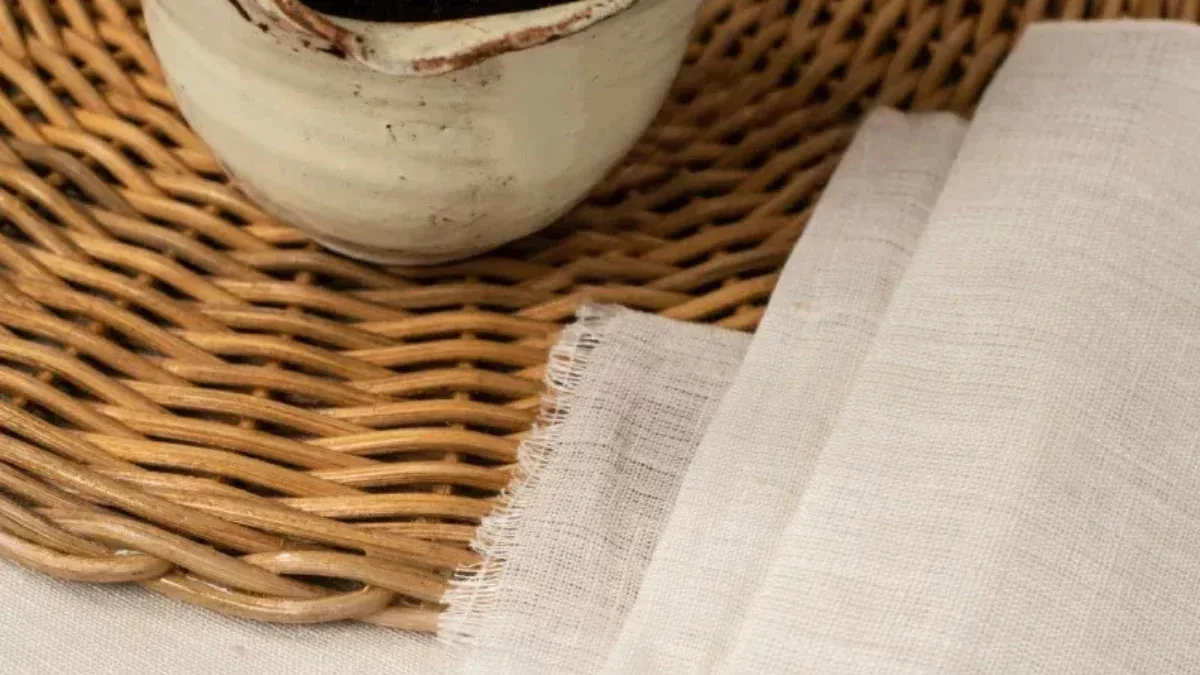
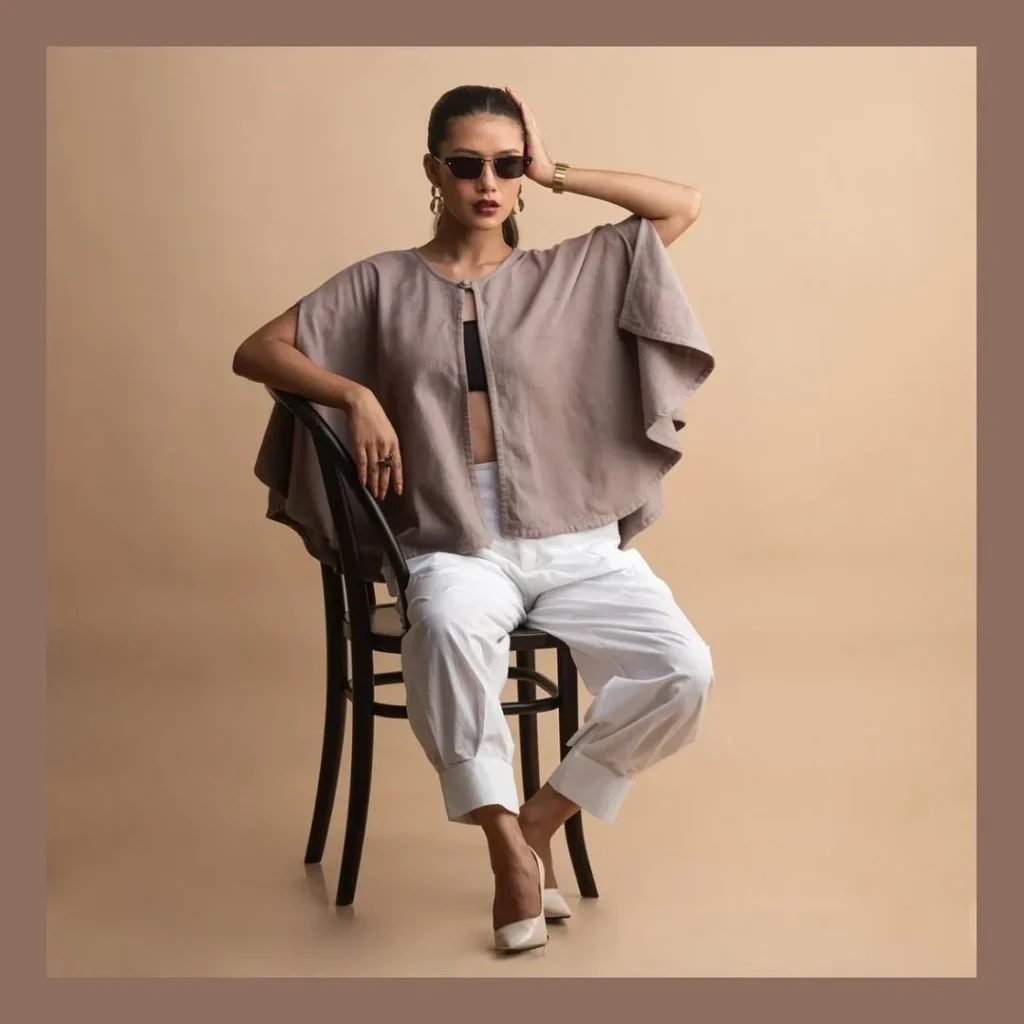
The global fashion industries have been surrounding the centre that reflects a spotlight on the khadi fabric manufacturers in India and their counterparts — linen fabric manufacturers in India and silk manufacturers in India. These producers have been continuously upgrading their systems and infrastructure, without compromising on the artisan’s essence of handcrafting fabrics through weaving or spinning. They have now been supplied to big showrooms of couture brands followed by selling directly to consumers of brands that believe in sustainability, and export buyers of Japan, Germany, France, Seoul and the United States. The new generations of the artisans have been blending khadi with modern blends of linen fabric, which creates a mixture of hybrid textiles, that actually has been raising the bars in regards to appeal and aesthetics of international palettes while remaining anchored within Indian crafts.
See how Indian fabric traditions meet contemporary fashion: Svarna’s Fabric on Instagram
Is Khadi Being Exported Successfully?
Yes — and the numbers have been growing at a lightning speed. Every part of the authentic as well as credible cotton fabric exporter has been starting to operate in the premium segment who deals in khadi as well as khadi-blended fabrics within their catalogues. Japan has particularly started to show remarkable upscaling in regards to hand-woven textiles.
Further, driven by the appreciation of the famous belief of wabi-sabi, which follows the ideology of “the beauty of imperfection”. Khadi has been seen as a fari which has a texture of natural irregularities which deeply resonates with the aesthetic philosophy followed by Japan. Further, many indian export houses specially who term them as linen manufacturers in India, have been dealing with long-term supply agreements already before-hand with Japanese apparel brands. Thus the key driver here? Traceability! When a cotton fabric exporter is able to point out the specific village, specific weaver, and the certified organic process—that kind of transparency demands premium pricing.
Related Reading: Choosing the Best Cotton Fabric Exporter in India — Svarna
Can Khadi Compete with Linen and Silk in Luxury Fashion?
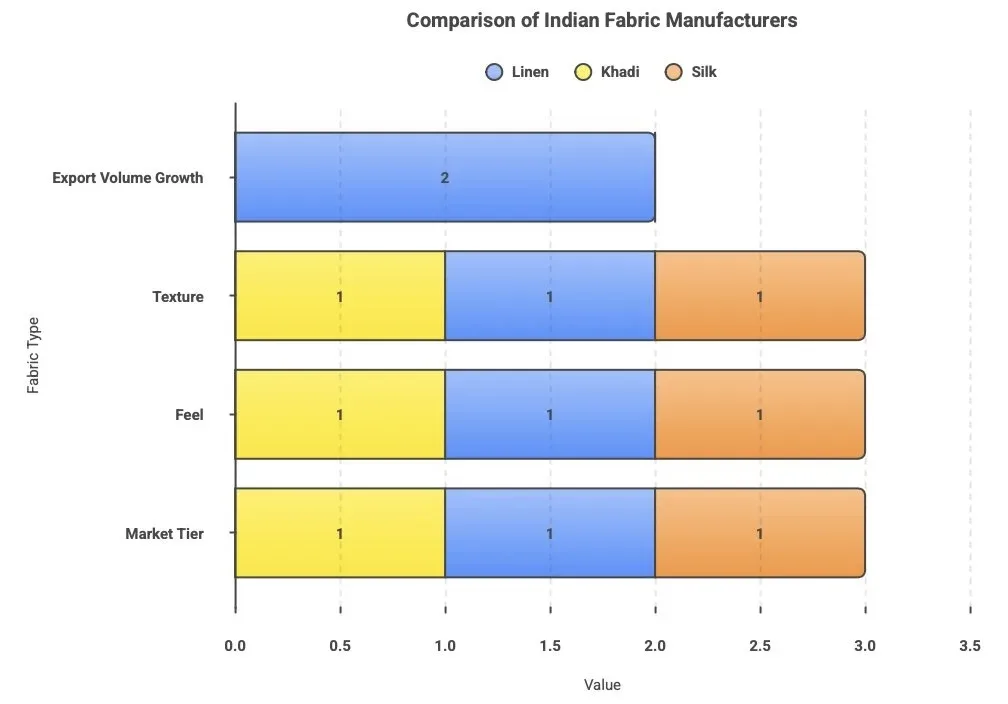
This comparison usually draws attention of buyers on fashion platforms, and here the Khadi holds its own place. Linen fabric manufacturers in India have been producing some of the most finest linen in the Asian region, and the linen manufacturers in India have been seeing bulk volumes of export which ahs been doubled over the last five years. Here, Khadi occupies a different tier altogether. Whereas linen has been crisp and its properly structured, khadi is a soft yet rich in the making,
However, muga silk fabric — the golden silk of Assam — is opulent and shimmering, khadi is democratic and earthy. Silk manufacturers in India and khadi producers have started to collaborate on the weaves of making hybrid fabrics, which carry a sheen finish of silk with the breathability of the khadi cotton. These changes, reinvention have been championed by the are now collaborating on hybrid weaves that carry the sheen of silk with the breathability of cotton. These innovations, championed by sustainable fabric manufacturers in India, which is exactly what luxury buyers believe in Tokyo as well a sParis at a large scale.
Related Reading: Sustainable Innovations in Indian Silk — Svarna
Conclusion
Khadi’s journey which started from the Dandi march which was led by Gandhi symbolisng the charkha spinning wheel to showrooms of the Tokyo, has been one of the most remarkable journeys in the area of global fashion. It has survived industrialisation, colonial history, and fast fashion — and it is thriving. The rise of sustainable fabric manufacturers in India has given khadi a modern infrastructure without stripping away its soul.
Whether it is organic khadi cotton fabric finding its way into a Japanese streetwear collection, or muga silk fabric being showcased alongside khadi at a Paris trade fair, India’s hand woven traditions are writing their most exciting chapter yet. For many brands, as well as consumers, designers, buyers and others, khadi is not only a fabric choice but also a fabric that showcases value and richness in its every weave. The talented artisans & weavers, starting out from Bengal to Odisha and Gujarat, are not only craftspeople, but they are the designers that would carry the lineage and help to create a sustainable world in the coming future.
Quick Questions & Answers
Q: Who are the leading khadi fabric manufacturers in India?
A: Major clusters exist in West Bengal, Gujarat, Maharashtra, and Uttar Pradesh, many certified by KVIC.
Q: What makes sustainable fabric manufacturers in India unique?
A: They combine ancient hand-craft traditions with certified organic processes, offering full supply chain traceability.
Q: Is khadi fabric available for bulk export?
A: Yes — established cotton fabric exporters offer MOQ-based bulk khadi in greige, dyed, and printed forms.
Q: Why is Japanese fashion interested in Indian khadi?
A: Japan’s appreciation for wabi-sabi — the beauty of natural imperfection — aligns perfectly with khadi’s hand-made texture and character.