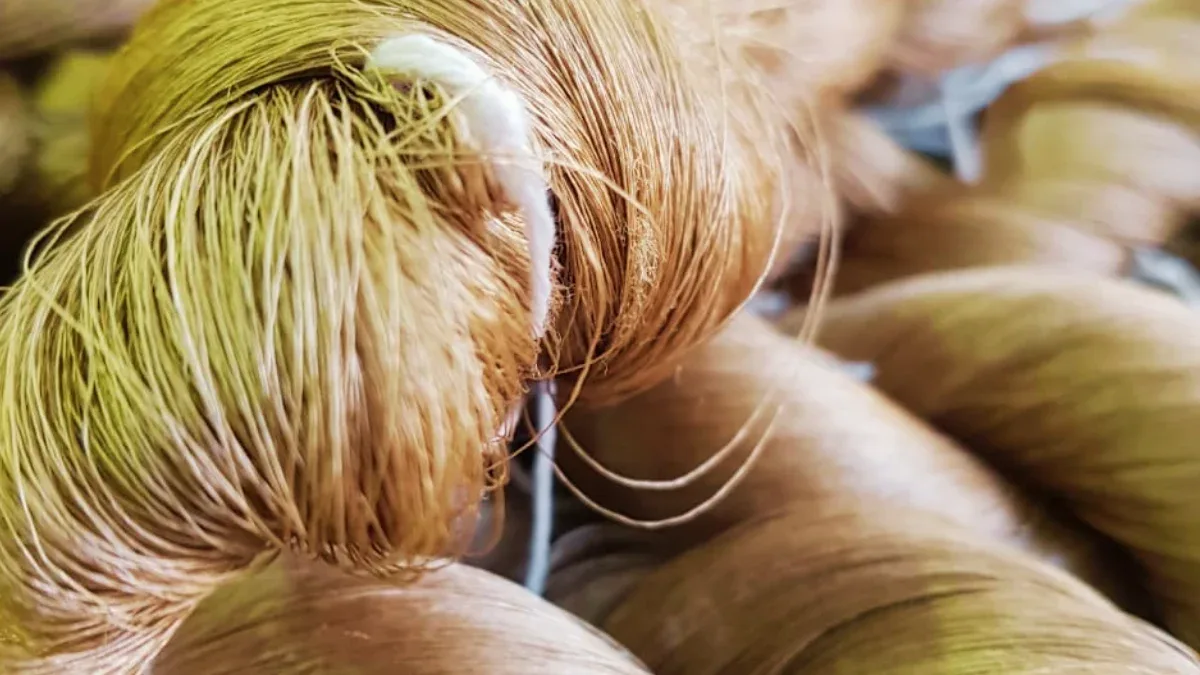
Silk can make a collection feel truly luxurious or quietly let it down. Two fabrics can look identical in a photo and behave completely differently once they’re cut, sewn, and worn. That’s why picking a silk manufacturer is one of the biggest sourcing decisions a fashion brand makes.
Buyers in Japan and Korea ask the same questions. Which silk suits which garment? How consistent is each batch? Can the supplier scale? Here’s how to compare your options and what to ask a silk manufacturer before you place an order.
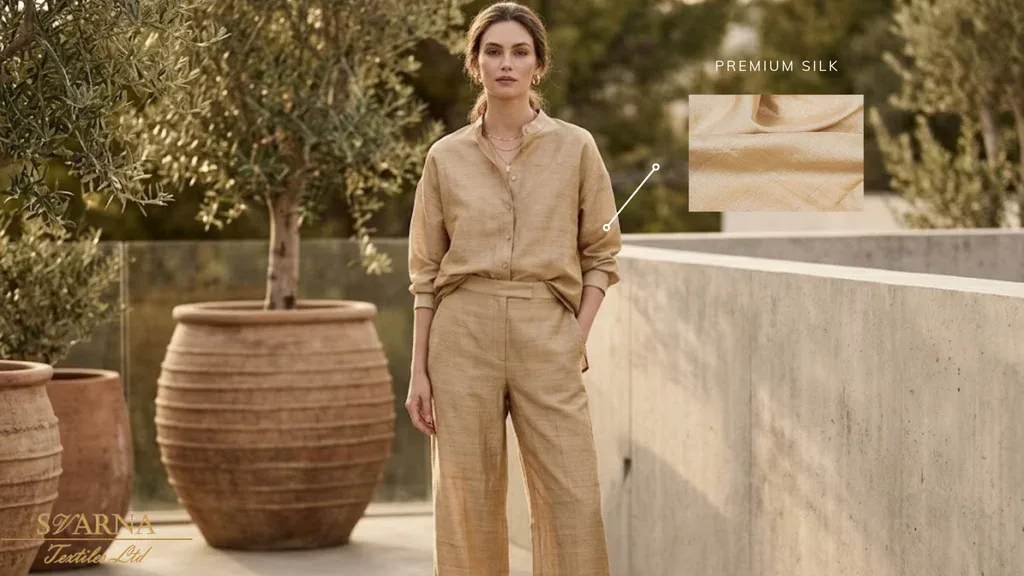
How to Compare a Silk Manufacturer Before You Source
Start with the basics. A reliable silk manufacturer should be clear about fibre type, yarn quality, weight (in momme or GSM), weave, and finish and should send a full specification.
sheet with every sample. The best sustainable fabric suppliers go further and share how the silk is reeled, dyed, and tested, so you know exactly what you’re buying. If a handmade textile manufacturer can’t answer these questions clearly, treat it as a warning sign.
What a Good Silk Manufacturer Controls: Yarn and Processing
Quality starts long before weaving. An experienced silk manufacturer selects even, strong filaments because they give a smooth surface and a drape that looks expensive.
Processing matters just as much. Silk handled with low stress in premium silk production keeps its natural strength, softness, and shine. When a silk manufacturer rushes yarn under too much tension, the fabric can feel stiff and lose its lustre over time. Ask how the yarn is reeled and woven.
Types of silk fabric: a buyer’s comparison
Each of the main types of silk fabric brings something different to a collection:
• Mulberry silk is the smoothest and most lustrous. It’s the go-to choice for blouses, dresses, scarves, and luxury eveningwear.
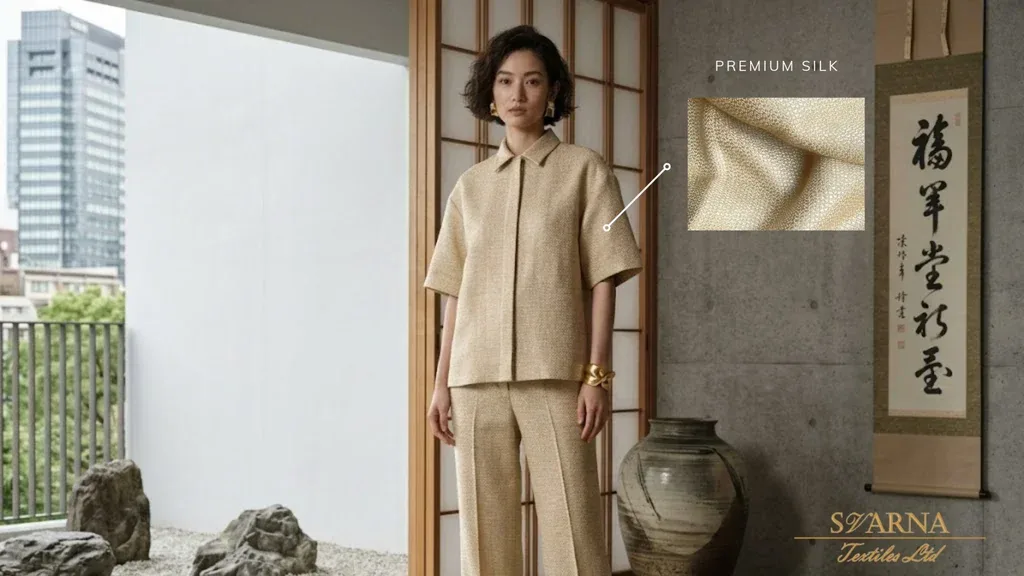
• Tussar silk has a natural gold tone and a slightly textured hand. It’s lighter and more relaxed and suits shirts, jackets, and resort wear.
• Muga silk fabric is rare, with a natural golden sheen that grows brighter with age. It suits limited-edition, heritage-led luxury pieces.
• Eri silk, often called peace silk, is soft, warm, and matte. It works for winter layers and brands that want a gentler production process.
Choosing silk fabric for clothing and luxury collections
Match the silk to the garment, not just the mood board. For fluid silk fabric for clothing, like slip dresses and blouses, choose lightweight mulberry satin or crepe de chine. For tailoring and outerwear, heavier dupioni, tussar, or silk-wool blends hold their structure better.
Luxury labels often lean on handmade textile products, where small natural variations in the weave add character no machine can copy. Soft silk blends with cotton or linen are another smart choice for breathable, easy-care pieces that still feel premium.
Wholesale silk fabric: planning volume, samples, and lead times
Buying wholesale silk fabric is about more than the price per metre. Check minimum order quantities, how long sampling takes, and whether the supplier can hold colour consistency across repeat orders. Plan seasonal launches several months ahead.
Ask about customisation too. Good manufacturers can match your colour references, add special finishes, or develop details like minimal embroidery exclusively for your label.
How to vet silk fabric suppliers you can trust
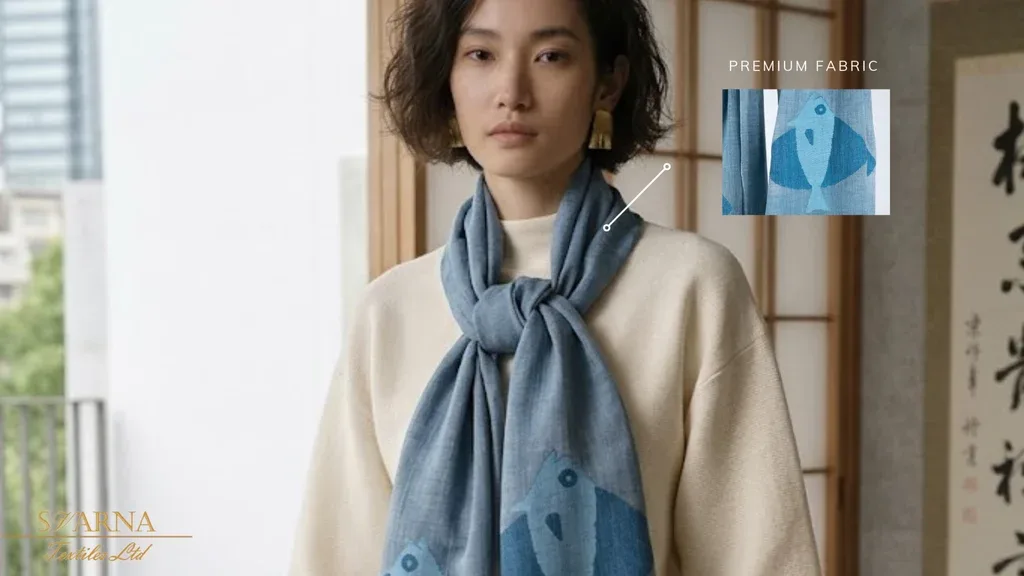
Silk is an investment, so where you buy matters. Reliable silk fabric suppliers like Svarna Textiles are open about the silk variety, its origin, and the weaving method. They’ll happily send samples before you commit.
Ask how they test for colourfastness, shrinkage, and strength, and whether they already supply buyers with strict quality standards, such as those in Japan and Korea. Good handmade textile suppliers will answer clearly. If they can’t, keep looking.
Why work with an experienced silk textile manufacturer?
An established silk textile manufacturer brings more than fabric. You get skilled artisans, access to rare weaves like muga silk, and the flexibility to customise colours, blends, and finishes each season. Svarna Textiles, a silk fabric manufacturer in India that exports to Japan and Korea, has built its name on meeting the exacting standards of Japanese and Korean buyers.
Working closely with one trusted silk manufacturer also helps brands plan ahead for peak seasons and keep quality steady across every collection.
Conclusion
Choosing silk really means choosing a partner. Compare fibre, weight, and finish; match each type of silk to the garment; and test samples before you scale.
Svarna Textiles brings that care to every metre. As an experienced textile manufacturer, they source and weave premium silks with gentle, low-stress processing that protects the fibre’s natural beauty, and they supply brands across Japan and Korea.
Sourcing silk for your next clothing or luxury collection?
Contact Svarna to request samples and a quote.
FAQs
How do I choose the right silk manufacturer?
Compare specs, samples, quality testing, and export experience.
What are the main types of silk fabric?
Mulberry, tussar, muga, and eri silk.
Which silk fabric for clothing drapes best?
Lightweight mulberry satin and crepe de chine.
What should I check before buying wholesale silk fabric?
MOQs, lead times, and color consistency across batches.
Why choose a silk manufacturer that uses low-stress processing?
It keeps silk softer, stronger, and more lustrous.