The leading fashion houses source premium linen from India because Indian linen manufacturers are based upon a blending mixture of age-old culture and also cutting-edge technology that helps to celebrate the eco-friendly essence of craftsmanship that meets the high demands of Japanese markets like Jurgen Lehl, Muji, and Issey Miyake. In the present times of 2026, slow fashion has been the talk of the town, especially in India, where linen fabric has taken up all the spots at the center stage.
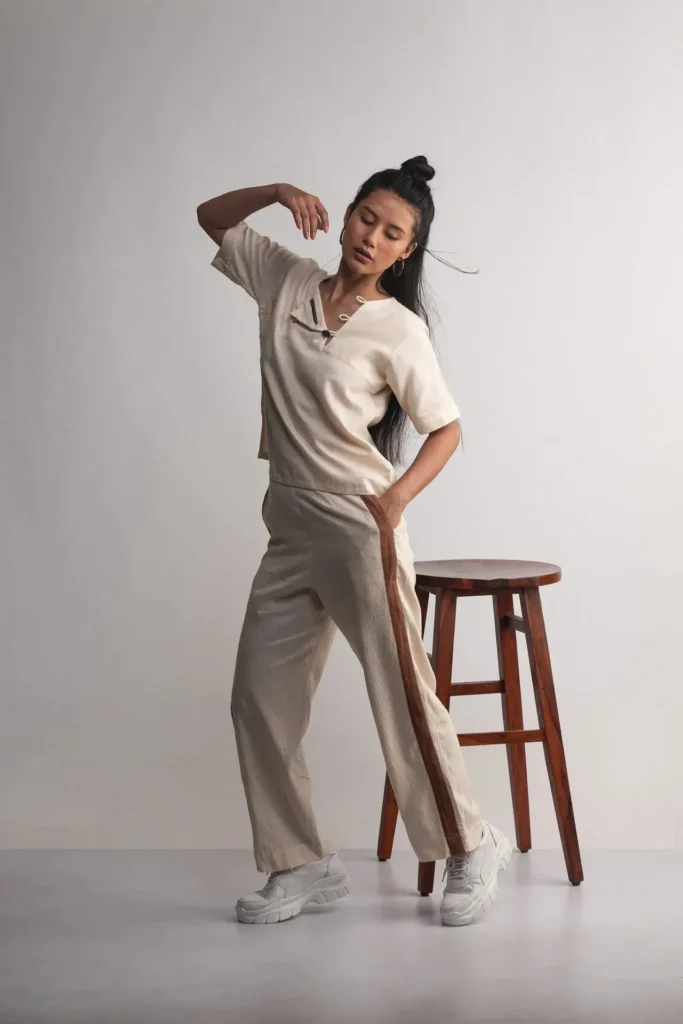
Moreover, Japanese designers have been shifting away from the synthetic textiles and now taking up premium linen and cotton that is luxurious and yet breathable in every season. Further, India’s linen has been meeting standards that cannot be compromised on as per Japanese brands, which comprise resistance as per climate changes, weight of the fabric, and also draping in a structured manner. Now let’s finally dive deep into our blog article, and let us all get an insight into how India has been playing a pivotal role in re-establishing Japanese standards in terms of Japanese fashion.
How Indian Handloom Linen is Winning Hearts in Japanese Fashion Discourse
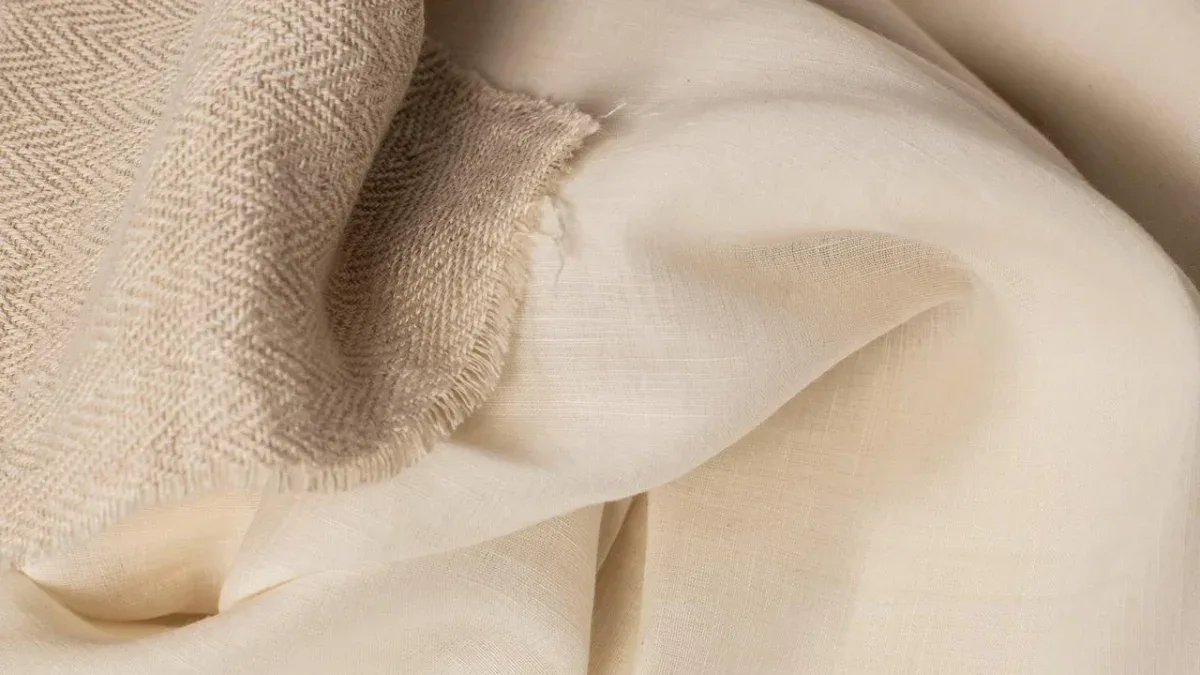
Linen is derived from flax plant fibres, and it is natural. It has been more resilient and also has the capacity to thermoregulate, acting cool in summers and acting as an insulator in winters, which helps stay warm in such conditions.
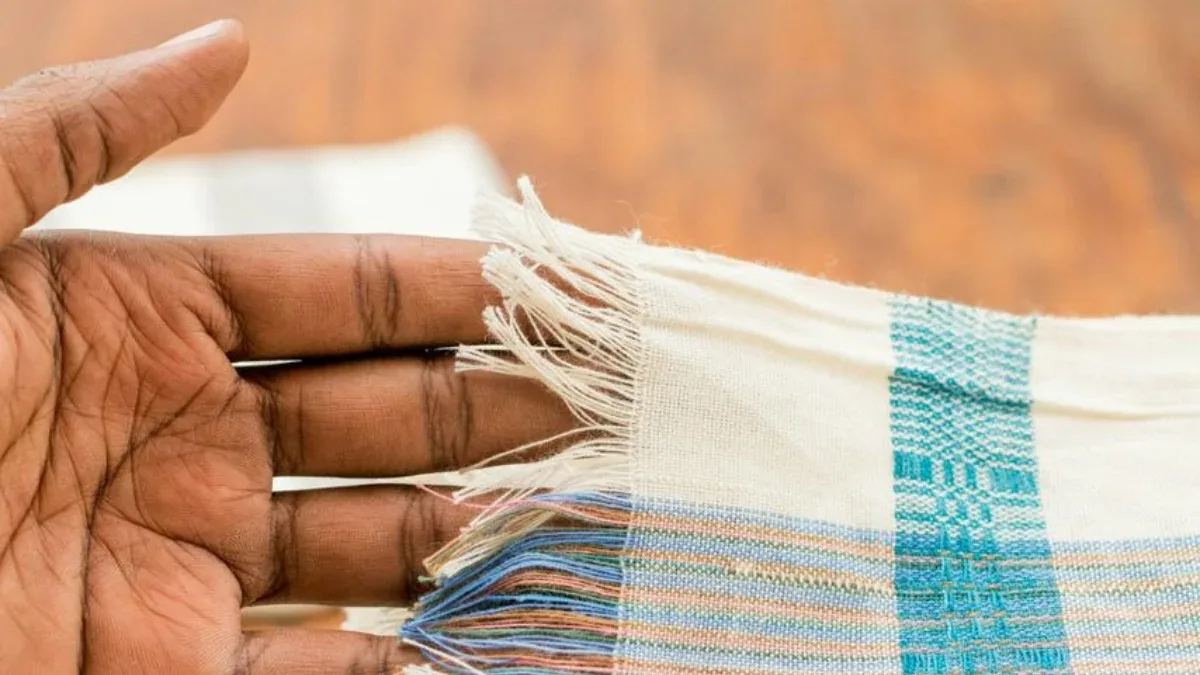
Handloom linen fabric has been rough in nature, which allows it to become softer after multiple washes, which helps gain durability and also more breathability down the line. Therefore, roughness slightly talks about imperfection that has been a widely recognised factor as per Japanese designers. Thus, in the term “wabi-sabi aesthetic philosophy” of Japan, imperfections are celebrated. In Japanese fashion, as per linen in definition, the texture unevenness and the irregularity in the design function of linen, which is done by hand following the old craftsmanship tradition, align perfectly with the beauty of this principle philosophy.
Indian handloom linen vs European linen: Which one wins in sustainable fashion
Born from India’s handloom, linen has set new standards—quality, durability, and versatility. It is a texture that has no comparison, which is a gold standard as per the global stage. They are machine-made and produced to perfection, creating a uniformity across the weaving. On the other hand, sustainable fabric manufacturers in India bring organic irregularity to the linen fabric, with an essence of breathability and also comfort during draping that helps to define the beauty of imperfection.
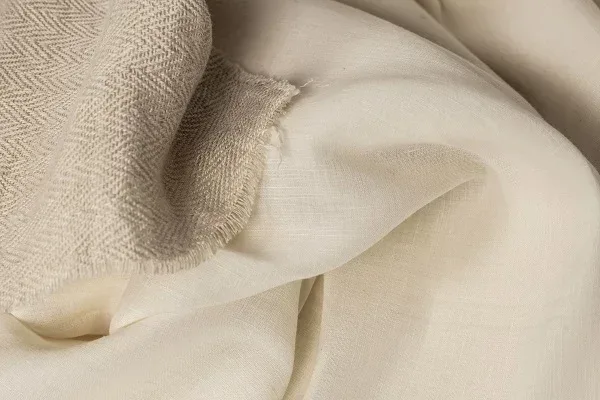
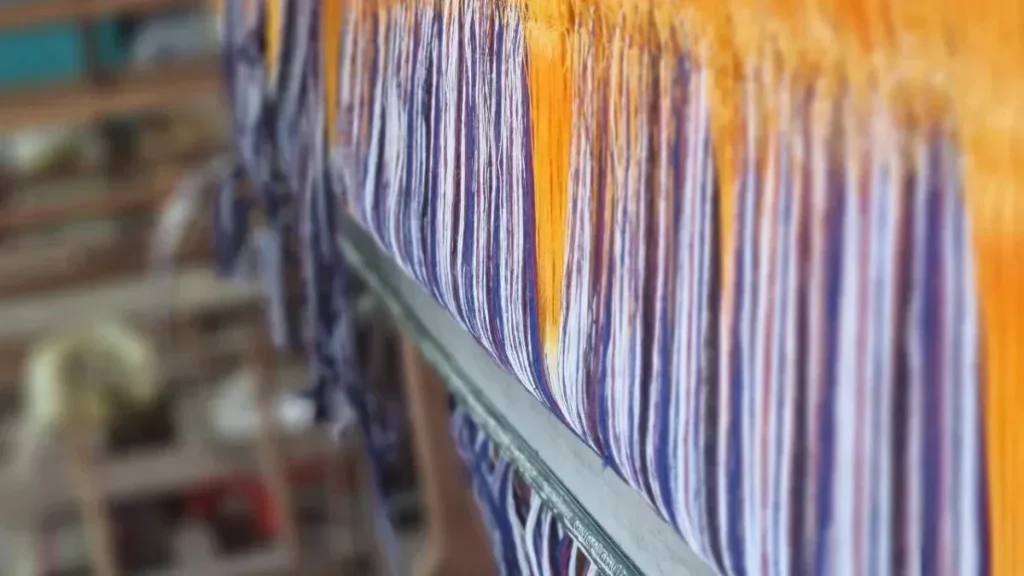
Svarna’s linen fabric is woven in a handloom, without electricity. The energy-efficient production process makes it one of the lowest carbon-footprint textiles, which global brands have currently turned to. For Japanese couture houses, this amount of traceability and also transparency has been necessary and not an afterthought anymore. This helps in gaining global certification standards and also fair trade in its practices. This has helped a deliberately sustainable fabric supplier win the confidence of the Japanese brands.
Suggestion: check out our post that showcases how every thread is built with precision with details and meticulous craftsmanship.
Which certifications brands should check while sourcing linens from India?
GOTS and fair-trade certifications are two essential factors that are measured by Japanese designers and brands before finalising any linen fabric manufacturer for their raw supply chain. A trusted sustainable fabric manufacturer in India will help in guiding Japanese brands by providing them with authenticated documentation that outlines every detail that is showcasing sourcing fibre to weaver partnerships and further chemical-free processing. Thus, this actually helps buyers to gain trust in the brands and know whether ethical and sustainable practices are being maintained by the brands that truly align with their Japanese standards.
Whether a linen fabric manufacturer checks off all the boxes – Get the insights
The linen weaves: Key considerations before placing orders
- Plain Weave: This is the most standard weave that is common among every manufacturer and buyer; it adds a smooth texture to the fabric, and this thus acts as a perfect summer-apparel fabric.
- Satin Weave: This is a glossier version of the weave that actually feels much softer and lighter in weight, and it also produces a luxurious feel to the clothing. Thus, this weave is widely used among all top-standard brands.
- Twill Weaves: These are characterised by a diagonal pattern that has durability and actually allows them to be a perfect weave to make garments that need to be heavy and warmer.
Which part of India produces the best linen fabric—high-grade, export-quality—
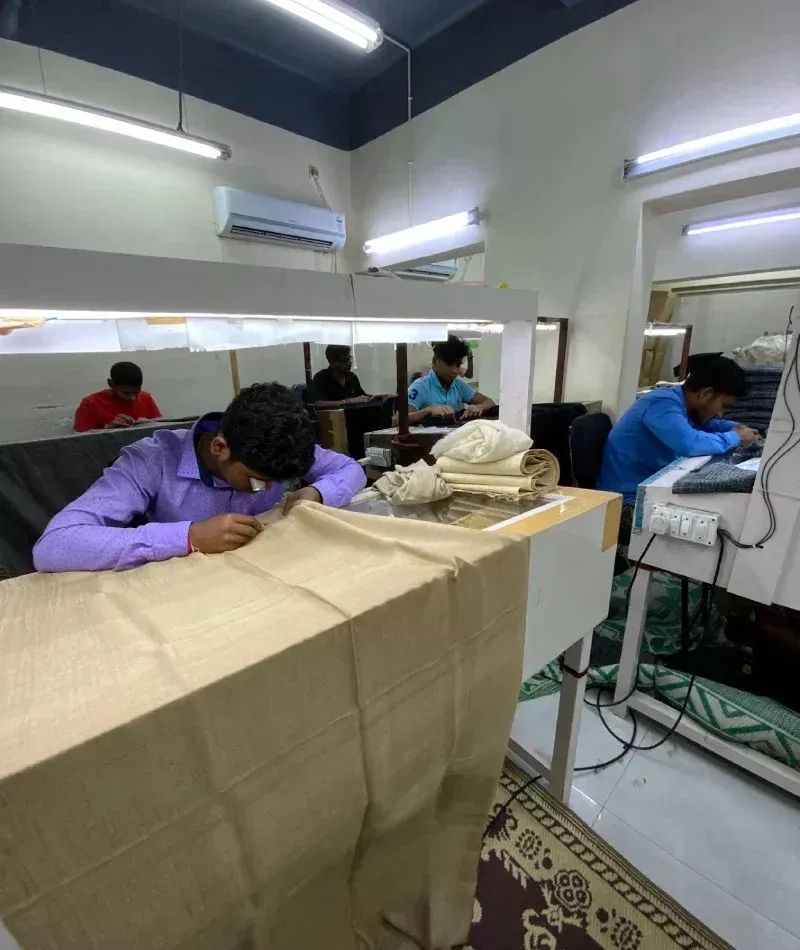
Rajasthan, Gujarat, and Maharashtra are widely recognized as the best sources of linen fabric. These states help in offering a variety of fabric that is extensive in nature and also has export quality standards that align with international markets. Svarna, as a credible linen fabric manufacturer in India, establishes a relationship between the producers, distributors, and weavers across India and follows ethical principles at every stage of production. The manufacturer collaborates with nearly 500 weavers and makes sure that a wide variety of weaves is produced. Thus, after which, weaves are customised as per requirements and dyed based on that, showcasing the brand’s visual fashion statements.
Why Japanese Brands Trust Svarna – The Sustainable Linen Partner
When brands source premium linen from different suppliers, it is not merely a material decision but an alignment of values. In Japan’s fashion landscape, brands strictly focus on quality standards and ethics, which most of the suppliers fail to balance. But Svarna wins: with two decades of export experience, the linen fabric manufacturer in India delivers lightweight, comfortable, and durable linen. Therefore, the breathable and sustainable nature of the linen fabric actually makes it an all-season favourite among customers and Japanese buyers.
Now, we know why Japanese brands only recognise the soul of craftsmanship and exquisite cutting-edge technology. Therefore, this allows craftsmanship to gain centre stage in global times, and this is where Svarna helps in attaining that transition to sustainable fashion without making any compromises on the style.
Suggestion: See how linen fabrics are dyed with colors and made with passion, showcasing how Svarna celebrates the golden age of textiles of India.
Key Questions to Ask Before Placing a Linen Export Order from India
1. Does handloom linen from India retain its colour after repeated washing?
If you source linen fabric wholesale from a trusted manufacturer, the color will not fade away at all. Moreover, the linen fabric offered by Svarna actually helps in gaining strength and is soft after each wash. This property helps in making it a distinct fabric that is made up of high-flax fibre, which is irreplaceable by any machine-made fibre.
2. What is the minimum order quantity for linen fabric wholesale from India?
Minimum Order Quantities (MOQ) vary by weave and customisation level. With a stronger supply chain network, Svarna delivers orders to both boutique designers and large commercial chains.
3. Do sustainable fabric manufacturers in India meet Japanese quality standards?
Svarna is one of the known sustainable fabric manufacturers in India that actually helps in meeting standards with Japanese fashion brands. Thus, the in-house quality control teams, help in inspecting the standards after every production cycle to ensure color and finish are proper.
Conclusion
As the global fashion industry is transitioning to responsible fashion, the role of sustainable fabric manufacturers in India has become pivotal. With top Japanese brands at the forefront of sustainable fashion, the focus on quality and ethical production comes to the center of the fashion narrative. Indian linen fabric manufacturers have been responding in a proper manner to the shifts in style. Thus, being equipped with global textile certifications, production capacity, and also the infrastructure of shipping, Svarna has been delivering linen raiders to top Japanese fashion brand houses all over the world.
Japanese designers join the sustainable fashion movement and redefine Tokyo’s minimalist style with Indian manufacturers. Explore our premium linen range.
FAQs
1. Why do Japanese fashion houses prefer linen fabric manufacturers in India over European suppliers?
Japanese fashion houses prefer Indian handloom linen over European linen because Indian linen manufacturers in India offer artisan-woven texture, a lower carbon footprint, and full supply chain visibility, which machine-made suppliers lack.
2. Is linen fabric from India available in custom weaves and natural dye options?
Svarna, the sustainable fabric manufacturer in India, customise weave structures, dyes, and finishes for both bulk and small-batch designer orders.
3. How do I start sourcing linen fabric wholesale from Svarna?
Connect with Svarna and explore its linen variety. You may go to the contact page of Svarna and learn the steps to ordering linen fabric wholesale from Svarna.