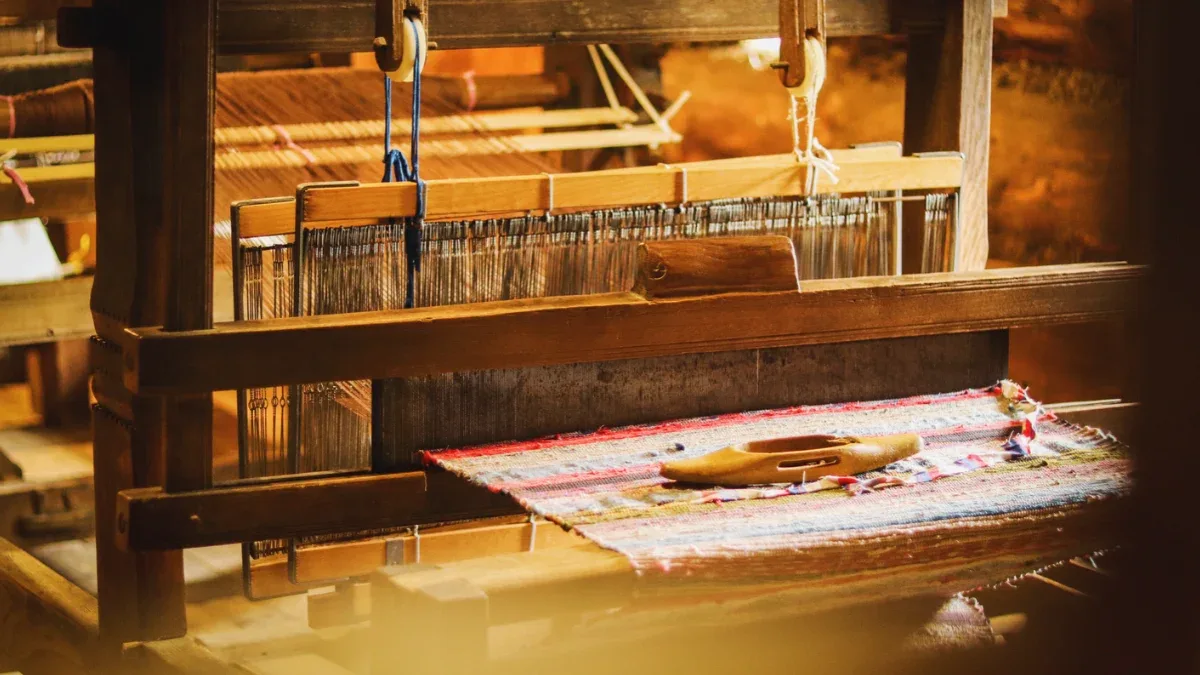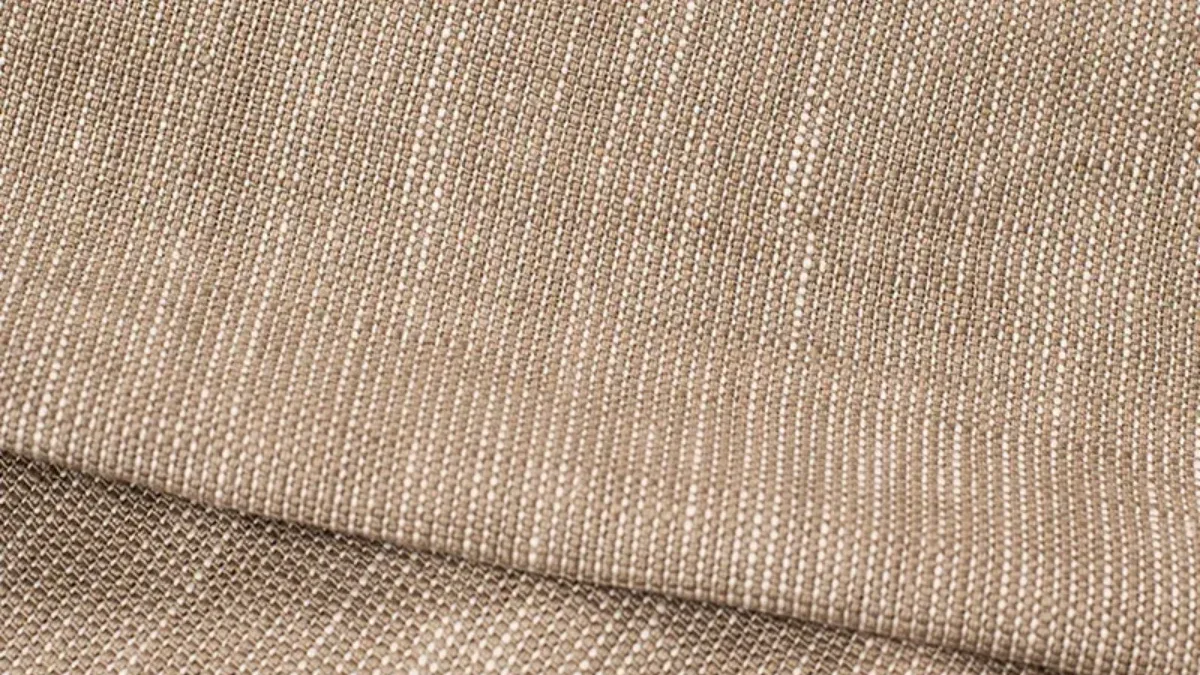
India is one of the world’s largest producers of organic cotton, and global brands are taking notice. For labels selling into Japan and Korea, where shoppers read labels closely and expect flawless finishing, the supplier you pick shapes everything from product safety to brand reputation.
Yet not every mill that says “organic” can prove it. Certificates can lapse, blends can be mislabeled, and a sample that looks perfect may not match bulk production. The right partner offers more than good prices; they offer traceability, consistency, and honest communication.
In this guide, we at Svarna Textiles, one of the trusted textile manufacturers in India, walk you through what brands should check before placing an order. Whether you are building a baby-wear line in Tokyo or a minimalist label in Seoul, these checks will help you source with confidence.

Why Global Brands Choose Organic Cotton Manufacturers in India
India grows cotton across Madhya Pradesh, Maharashtra, Gujarat, and Odisha, and a large share of the world’s certified organic fibre comes from these farms. Add centuries of spinning and weaving skill, and you get a supply base that can handle everything from fine voiles to heavy canvas. Brands that work with organic cotton manufacturers in India also benefit from vertical setups, where ginning, spinning, weaving, dyeing and finishing sit close together. Shortlisting organic cotton manufacturers in India with this kind of integrated chain makes traceability far easier to prove to buyers and auditors.
For apparel brands, organic cotton fabric is soft, breathable and grown without synthetic pesticides or GMO seeds. That story resonates strongly with eco-aware shoppers in Asia’s most demanding markets.
Organic Cotton Manufacturers in India: Sourcing Considerations for Japan and Korea
Japan and Korea reward suppliers who get the small details right. Before you shortlist mills, keep these market realities in mind:
• Quality expectations are strict. Japanese buyers often reject lots for uneven shade, slubs, loose threads, or poor hand-feel. Korean brands, especially in K-fashion and baby wear, expect the same consistency across reorders.
• Chemical safety matters. Japan regulates formaldehyde in textiles, with tighter limits for infant products. Korea’s KC safety mark applies to children’s goods. Your supplier should know these rules and test for them.
• Trade agreements help. India has comprehensive economic partnership agreements with both Japan and Korea, which can lower duties on qualifying textiles. A good exporter will prepare the certificate of origin correctly.
• Communication is part of quality. Clear specs, quick replies and honest timelines build the long-term trust these markets value.
What to Check Before Choosing Organic Cotton Manufacturers India :
Use this checklist to evaluate any supplier before you sign a purchase order.
1. Valid Organic Certification:
Ask for a current GOTS (Global Organic Textile Standard) or OCS (Organic Content Standard) scope certificate. Then verify it yourself on the certifier’s public database. Most importantly, request a Transaction Certificate (TC) for your specific shipment, as this is what proves your order is certified organic, not just the factory.
2. Fibre Traceability:
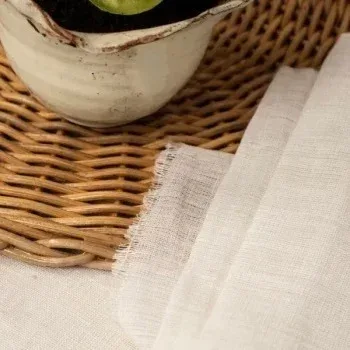
Genuine sustainable fabric suppliers can trace fibre back to the farm group or ginning unit. Ask where the cotton is grown, which spinner supplies the yarn, and whether lots are kept separate from conventional cotton. Hesitation here is a red flag.
3. Testing and Lab Reports:
Request third-party reports for shrinkage, colour fastness, pilling, pH and formaldehyde. For children’s wear bound for Japan or Korea, confirm testing meets those markets’ limits before bulk production, not after.
4. Sample-to-Bulk Consistency:
A beautiful sample means little if the bulk differs. Ask for a pre-production lot sample and agree on shade bands and tolerances in writing. Reputable mills share inspection reports before dispatch.
5. MOQs, Pricing and Lead Times:
If you need cotton fabric wholesale for steady reorders, check minimum order quantities per colour and quality. Ask for realistic lead times, including yarn sourcing, dyeing, and shipping to Tokyo or Busan. Cheap quotes with vague timelines often cost more later.
6. Range and Craft Capability:
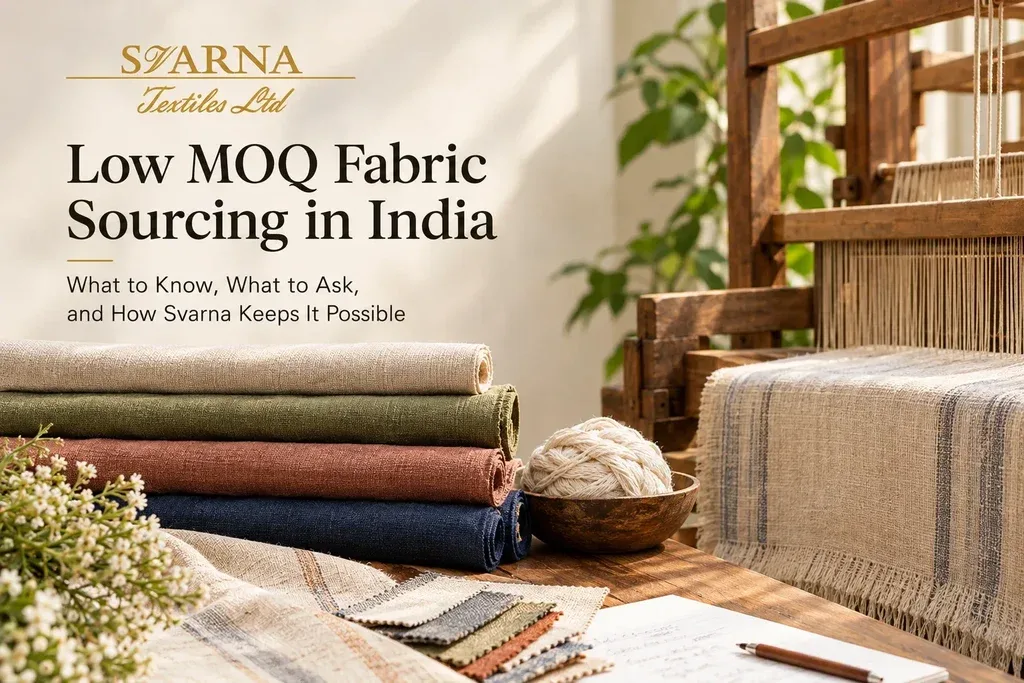
Can the supplier grow with you? Mills that offer handwoven khadi cotton fabric, linen blends and silk alongside organic cotton let you expand collections without onboarding new vendors. Japanese and Korean buyers especially value handloom textures with a story behind them.
7. Ethical and Social Compliance:
Look for fair wages, safe workplaces, and no child labor. GOTS includes social criteria but also asks about audits such as SA8000 or Sedex and visits the facility if you can.
Conclusion: Partner with the Right Organic Cotton Supplier
Choosing a supplier is a long-term decision, not a one-time purchase. Verify certificates, demand test reports, lock in sample standards, and test the relationship with a small first order.
At Svarna Textiles, we craft certified organic and handwoven cotton fabric for clothing with full traceability and export-ready documentation and the finishing standards Japanese and Korean brands expect. Share your requirements with our team today and let us weave your next collection together.
Frequently Asked Questions
How can I verify that a supplier’s organic certificate is genuine?
Check the scope certificate on the GOTS or Textile Exchange public database and ask for a transaction certificate for every shipment.
What is the difference between GOTS and OCS?
OCS verifies organic fibre content only, while GOTS also covers chemical inputs, processing and social criteria across the supply chain.
Do Indian fabric exports get duty benefits in Japan and Korea?
Yes, India’s trade agreements with both countries can reduce duties on qualifying textiles when a valid certificate of origin is provided.
What tests should I request for fabrics sold in Japan and Korea?
Ask for shrinkage, colour fastness, pH and formaldehyde tests, with stricter checks for baby and children’s wear.
What is a typical lead time for organic cotton fabric orders?
Most bulk orders take around 45 to 90 days, depending on yarn availability, dyeing, finishing and shipping route.
Can I order small quantities for a trial collection?
Many mills, including Svarna, accept sampling or trial runs, so ask about per-colour minimums before you finalise your range.