Fashion brands and designers often fall in love with the appearance or the feel of a fabric; however, power and durability are equally important. It is important to understand the durability of the material when designing collections made of natural fabrics or purchasing items from them. The textile testing ensures that the fabric you purchase can withstand daily wear without losing its beauty and shape.
Understanding Fabric Origins & Composition
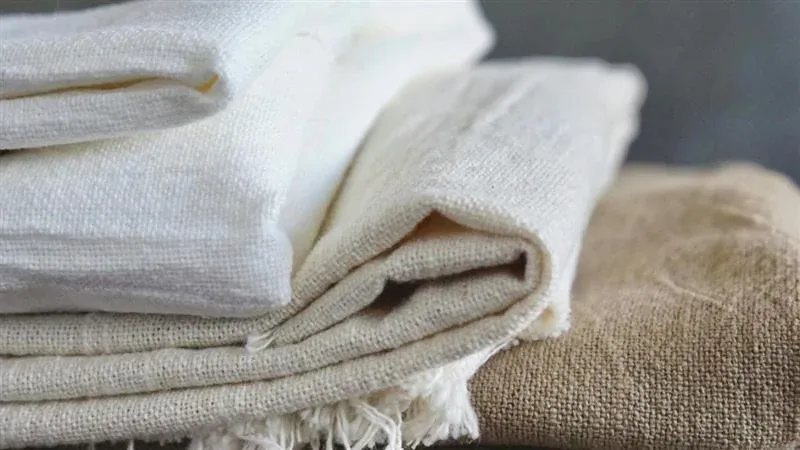
Every fabric tells a story. The Indian fabric varieties, cotton, silk, linen, khadi, among many others, have their own merits and demerits. Indian fabrics have varied between coarse hand-woven fabrics and smooth silk mixes. An example is organic khadi cotton fabric, which is breathable and has an appealing feeling, but can have a little variation in texture since it is handmade. Indian silk fabric is luxurious and shiny, but it requires additional attention. When you are dealing with any natural fabric, you should know the manner in which the yarns are spun and how the cloth is made up. Such information influences the strength, comfort, and post-washing behaviour of the material.
Why Durability Matters for Sustainable Labels
The basis of a responsible brand is durability. Waste is minimised when clothing or household items are more durable, and customer satisfaction is enhanced. Suppliers of ethical fabrics are not interested only in beauty and tradition, but also in the ability of the fabrics to remain in good condition. The natural fabric and handmade fabrics may contain minor flaws, but when tested properly, they may hold up to the test of time. A garment that looks fantastic but cannot last long is a detriment both to the company’s image and to the planet.
Key Durability Metrics and Testing Methods
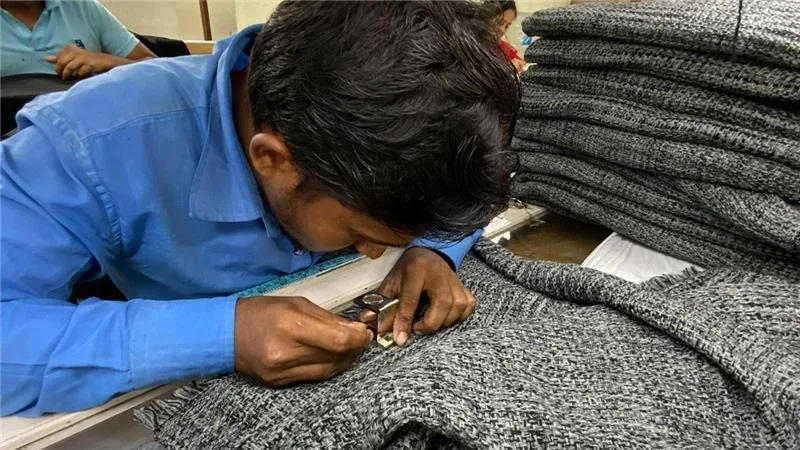
Designers and manufacturers conduct several major tests to determine the durability. The abrasion test is used to test the amount of wear that a piece of fabric can withstand before it becomes thin or torn. The pilling test investigates the formation of fibre balls upon rubbing. Shrinkage tests demonstrate the degree to which the fabric shrinks upon washing. Strength tests are used to find out the extent to which the cloth can be pulled or stretched before it breaks. In the case of traditional Indian types of fabrics, such as khadi or silk, the outcome can vary depending on the weaving and finishing. Testing assists the brands in knowing the behaviour of these fabrics and the way to utilise them in products.
Practical Considerations for Designers & Brands
When you purchase materials from the suppliers of ethical fabrics or hand-loom makers, request that they include test reports. In case there are none, you can test small samples on your own. Test their shrinkage following washing, colour retention, and thread strength. Natural fabrics can also respond in different ways depending upon their woven or finished state; thus, it is prudent to test them in their real-life scenario. Share these findings among your team and then finalise designs. As an example, clothing might require softness but with strength, whereas upholstery could require tougher and heavier material. Strike a balance between beauty and functionality, and choose the fabrics that not only look good but are also functional.
Integrating Craft Heritage with Performance
When you work with handmade fabrics or Indian silk fabric, you are related to the rich craft traditions of India. The threads have the culture, history and livelihoods of the people in these textiles. Nevertheless, comfort and durability are what modern consumers demand. Knowing how the weavers work, the quality of the yarn and the construction of the weave, designers can combine both worlds. Testing is a way of guaranteeing that all the hand-made items not only feel genuine but also last longer. Suppliers of ethical fabrics that are concerned with testing add credence and demonstrate that tradition is not incompatible with modernity.
Testing is not merely a technical measure for any designer or brand; it is also an investment in trust and quality. You can be crafting using the organic khadi cotton fabric, the Indian silk fabric and even other types of Indian fabrics, but then with durability testing, no product will lose its beauty in years. The integration of both artistic and scientific knowledge and testing is the balance between beauty and strength.
Svarna, a weaving house that is committed to ensuring the continuation of the weaving traditions in India, is at the centre of this concept. They produce fabrics that are handcrafted and environmentally friendly, and they respect people and the planet, which assists designers and brands to make ethical, sustainable, and beautiful clothing a reality.
FAQs
1. Why should designers test organic khadi cotton fabric?
To ensure its strength, softness, and durability before creating products.
2. What makes Indian fabric types special?
They combine rich tradition, natural fibres, and unique handwoven textures.
3. How can brands find ethical fabric suppliers?
By choosing suppliers who ensure transparency, fair trade, and quality testing.