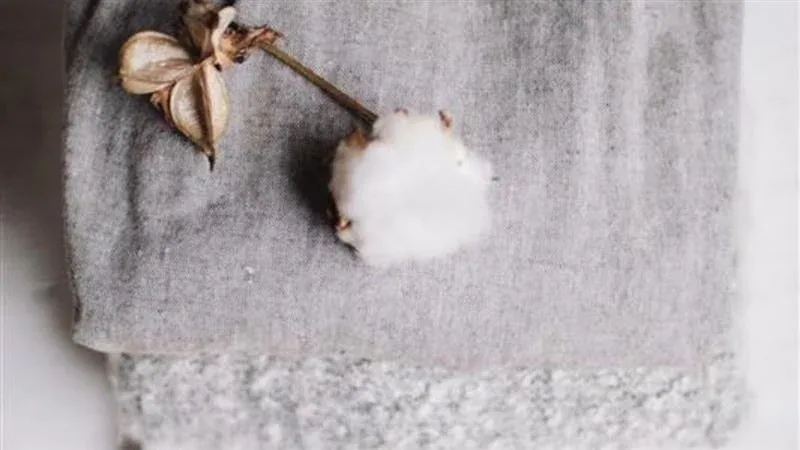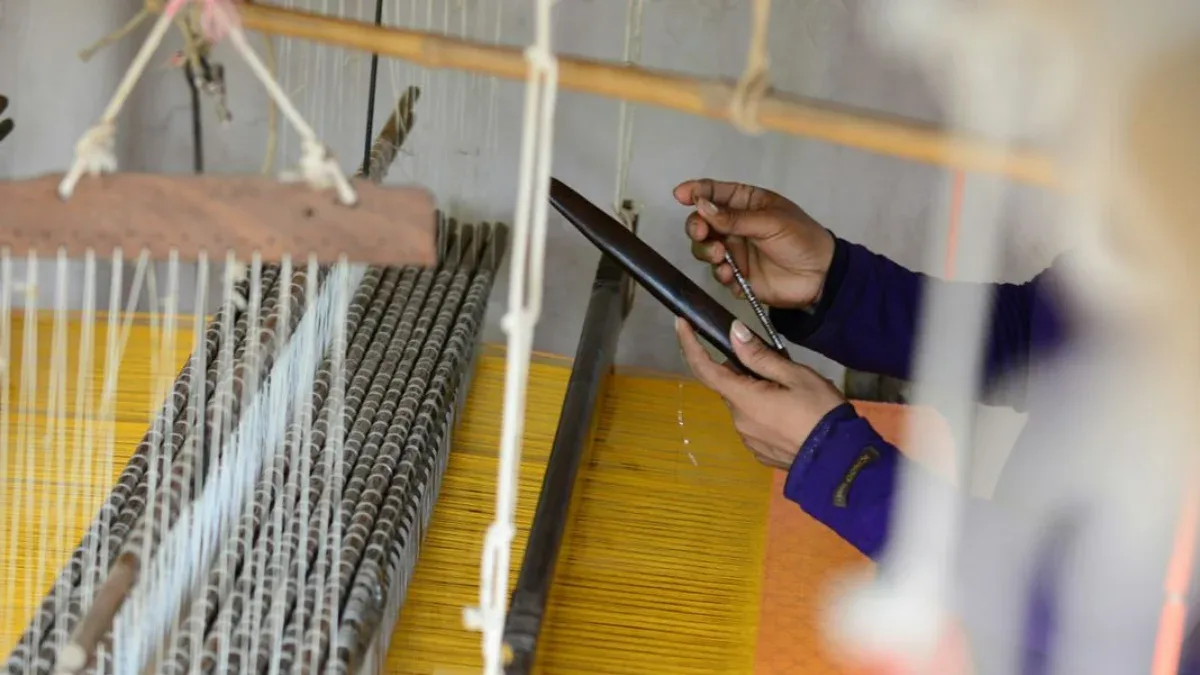
Khadi has unobtrusively re-entered the fashion conversation around the world, and in 2026, the focus on it is going to be more energetic than ever. Luxury brands are discovering the beauty of hand-spun craftsmanship and the purity of natural fabrics, and the cultural importance of cloth that possesses the rhythm of human fingers. Although trends can be temporary, the newfound affection towards khadi is connected to higher principles. It is provenance, intention and the tale that is woven in each thread. In response to the question, what is khadi, it is no longer a history lesson. It has emerged as a status symbol of conscious luxury.
Khadi’s rise is reshaping Indian home textiles and influencing every fabric manufacturer in India.
The Return of Slow Craftsmanship
The luxury market is gradually drifting beyond the monotony of machine-produced fabrics. Brands desire something less noisy and more soulful, and khadi can provide precisely that. The fact that it is hand-spun results in minor irregularities, which become visual texture and depth. These differences are not vices but marks. They demonstrate how all cloth has been woven by human hands. This emotional value can hardly be reproduced in automated production. Khadi fabric provides an experience that cannot be replicated by machine-made materials, as consumers seek meaning in their clothing and accessories used at home.
Understanding What is Khadi in a Modern Context
Khadi used to be the representation of freedom and self-reliance, and now it represents authenticity and conscious existence. Khadi is made, at its most basic, by hand spinning of natural fibres, originally cotton, but currently including silk and wool. The question of what khadi is today is a stratified answer when it is asked in the global market. It is a cloth that incorporates tradition with contemporary style. It can seamlessly transition between runway attire in the couture to loosely fitting Indian domestic fabrics. Its versatility ensures that it is popular among designers who wish to strike a balance between tradition and modern shapes.
Types of Khadi Driving the 2026 Trend
The list of varieties of khadi is increasing, which indicates the evolution of the fabric. Cotton khadi has continued to be the most popular due to its breathable quality. Silk khadi also has a smooth, high-end shine, which is suitable for posh dressing. Wool khadi is soft and warm in cold seasons. Blended khadi combines the most desirable characteristics of each fibre, producing garments that can be worn across the seasons. Through such diversity, designers receive the space to experiment, and consumers receive choices that feel high but down to earth.
Natural Fabrics Align with Global Luxury Values
Natural fabrics are the moral foundation of high-end fashion and interior design, whether it is sustainability reports or runway declarations. Khadi, made with little energy and much human labour, is quite compatible with this transition. Consumers have turned towards finding materials that are gentle to the skin, gentle to the environment and helpful to artisan communities. Khadi has an organic feeling and a breathable fabric that makes it unique among natural materials. While machine-made textiles are more concerned with speed, khadi is more concerned with purity and intent.
Why Luxury Brands Prefer Artisanal Production
Textiles made by machines depend on accuracy and quantity, yet luxury brands are moving towards cloth with narrative, personality and inventive stretchability. Khadi has a huge following among designers, who find it to be sensitive to natural dyes, hand embroidery and experimental drapes. It becomes tender with age, which is part of its beauty. Khadi provides an ideal combination of traditional artistry and high-end design potential to a fabric manufacturer in India. It is perfect in capsule collections, limited editions and custom home furnishings where exclusivity is important.
The difference between hand and machine textiles is more evident in 2026. Khadi is not any other cloth. It is a philosophy constructed in clothing, a reminder that human touch is not yet forgotten in a fast-paced world. Its fusion of tradition, sustainability and creative nature has made it popular among luxury brands that appreciate the importance of story-based design. Khadi fabric, with its versatility and honesty, will most likely continue to play a major role in the world textile discourse.
Svarna has an established reputation for working with natural fabrics and quality textile craftsmanship. The brand believes in quality, detail and innovation that dwell in tradition, and as such supports the development and international recognition of traditional Indian textiles.
FAQs
1. What is khadi, and why is it preferred by luxury brands in 2026?
Khadi is a hand-spun natural fabric loved for its artisanal texture and growing role in Indian home textiles.
2. How do the types of khadi influence design choices?
Different types of khadi offer unique textures that help designers create distinctive luxury pieces.
3. Why is a fabric manufacturer in India focusing more on khadi today?
A fabric manufacturer in India is choosing khadi due to rising demand for sustainable, handcrafted, natural fabrics.